
Sora Imposters Run Amok on the App Store – How to Spot the Real One by OpenAI
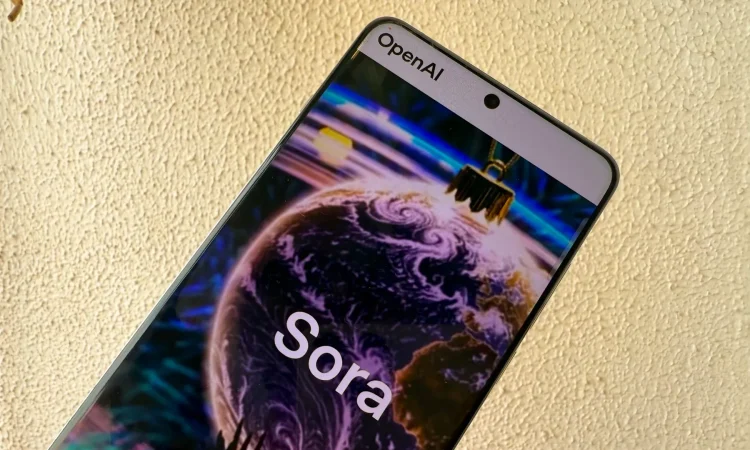
In the fast-moving world of artificial intelligence, excitement around Sora, OpenAI’s newest AI-powered app, is spreading quickly. Sora promises seamless conversations, creative content generation, and smart task management, making it a standout tool for professionals, students, and everyday users. But with its popularity comes a growing issue: fake Sora apps flooding the App Store, confusing users and raising serious concerns about safety and authenticity.
Why Sora Is Gaining Popularity
Sora isn’t just another AI app. Developed by OpenAI, the creators of ChatGPT, it’s designed to handle a wide variety of tasks—drafting emails, brainstorming ideas, analyzing data, and even assisting with programming queries. Its versatility and reliability have made it an instant hit.
The rush to download Sora in its first weeks of release also created an opportunity for opportunistic developers. Fake apps quickly began popping up, many with misleading descriptions, cloned logos, or even potentially harmful code.
How Fake Sora Apps Are Confusing Users
The problem isn’t just about inconvenience—it’s about trust and security. Users searching for the real Sora may accidentally download apps that don’t deliver the promised AI experience and, in some cases, could compromise personal data.
Common tactics among these imposter apps include:
- Copycat Names: Names that mimic “Sora” or add terms like “AI” or “Assistant” to seem legitimate.
- Misleading Logos: Slightly altered versions of OpenAI’s branding to appear authentic.
- Exaggerated Claims: Promises of features Sora doesn’t offer, sometimes requiring unnecessary permissions.
- Fake Reviews: Bots or generic reviews that give a false sense of reliability.
The result? Users may end up with a fake app that fails to perform and could expose sensitive information.
How to Identify the Real Sora by OpenAI
Spotting the authentic Sora app is essential for anyone wanting a safe, reliable AI experience. Here’s how to tell the difference:
- Developer Verification
The official Sora app is published by OpenAI. Any other developer name is likely a fake. - App Icon and Branding
Look for OpenAI’s clean, minimalist design. If the logo or color scheme seems off, be cautious. - App Description
OpenAI provides a clear, precise description of Sora’s capabilities. Beware of apps that overpromise or use excessive marketing jargon. - User Reviews and Ratings
Genuine reviews reflect real experiences with Sora’s features. Generic, repetitive reviews are a red flag. - Updates and Support
OpenAI regularly updates Sora with new features and security improvements. Imposter apps often have inconsistent or infrequent updates.
By following these steps, users can confidently download the real Sora app and enjoy a secure, feature-rich AI experience.
Why Fake Apps Are on the Rise
Sora imposters are part of a larger trend in the mobile app ecosystem. As AI apps gain mainstream popularity, some developers see opportunities to monetize through ads, in-app purchases, or selling user data.
The problem is compounded by the speed of adoption—users often rush to download trending apps without verifying authenticity, and app stores must monitor millions of submissions in real time. This creates a cat-and-mouse game between legitimate developers, fake app creators, and platform moderators.
OpenAI’s Response and Commitment to Safety
OpenAI is aware of the issue and is taking steps to protect users. The company stresses that education and vigilance are key. While app stores implement verification systems, users also play a critical role in ensuring they download trusted software.
OpenAI is actively monitoring the App Store for fake Sora apps and encourages users to report suspicious apps, helping create a safe ecosystem where users can fully enjoy Sora’s AI capabilities.
Trust in the Age of AI
The Sora imposter problem highlights a bigger challenge: maintaining trust and authenticity in a rapidly growing digital landscape. Fake apps don’t just threaten personal data—they can undermine confidence in AI technologies themselves.
Experts say combating imposters requires teamwork between developers, app store platforms, and users:
- Developers must maintain clear branding, digital signatures, and regular monitoring.
- Platforms need strict vetting processes and fast enforcement.
- Users should remain informed, exercise caution, and report suspicious apps.
Practical Tips for Safe Sora Downloads
For those eager to use Sora safely, here’s what to do:
- Download from Verified Stores: Always verify the developer name on the official App Store.
- Check Permissions: Avoid apps asking for unnecessary access to your device.
- Stay Updated: Follow official OpenAI announcements to stay informed.
- Report Suspicious Apps: Help protect yourself and others by reporting fake apps.
Looking Ahead
Although fake apps pose challenges, they also highlight the genuine excitement around AI tools like Sora. The demand for safe, authentic AI experiences continues to grow, and OpenAI’s commitment to transparency and security ensures users can engage with AI confidently.
The surge of Sora imposters serves as a reminder to verify, question, and choose wisely. By staying informed and vigilant, users can enjoy the authentic Sora app—ready to transform the way we interact with AI.








