
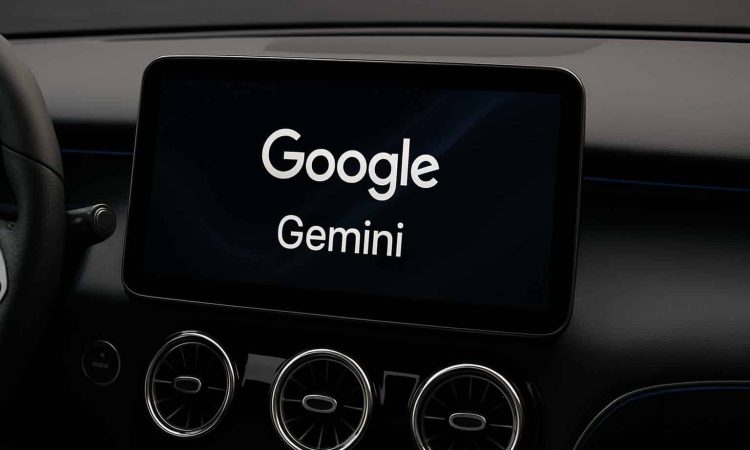
Google’s Gemini Takes the Wheel in Mercedes Cars: The Future of In-Car AI
Google and Mercedes-Benz have joined forces to bring a new level of intelligence to the driving experience. With the integration of Google’s Gemini into Mercedes vehicles, in-car assistants are no longer just tools—they’re becoming natural, context-aware companions that understand drivers like never before.
From “Hey Google” to Natural Conversations
For years, drivers have relied on voice commands like “Hey Google” to interact with their car systems. While useful, it often felt stiff and mechanical. Gemini changes that. Drivers can now have smooth, back-and-forth conversations with their car’s assistant, without needing strict wake words or rigid commands.
During demonstrations, Mercedes-Benz showcased how Gemini can guide drivers to destinations and suggest nearby coffee shops, restaurants, or other points of interest—all while keeping the conversation natural and fluid. It’s a step closer to feeling like your car truly understands you.
Context Awareness: Seeing the Bigger Picture
Gemini stands out because it remembers context. Unlike conventional assistants that might require you to repeat yourself, Gemini keeps track of the conversation. For example: if you ask, “Find a coffee shop along my route that’s open now with desserts,” Gemini can suggest the right places without needing reminders.
This contextual understanding doesn’t just apply to single commands. Gemini can combine multiple pieces of information from past interactions to provide smarter, more intuitive responses, making your in-car experience seamless.
Real-World Demonstrations
The Mercedes CLA recently served as the test bed for Gemini. During the demonstration, the assistant handled complex multi-step commands with ease. Drivers could ask follow-up questions, change routes mid-journey, or tweak their plans, and Gemini responded accurately every time. This is what the future of in-car AI looks like in action.
Multimodal Interaction: More Than Just Voice
Gemini isn’t limited to voice commands. It also responds to touch and visual cues, creating a flexible, multimodal interaction experience. Whether you use the touchscreen, speak, or point to items on the display, Gemini can respond intuitively. This makes it easier and safer for drivers to get information while keeping their eyes on the road.
Predictive and Personalized Assistance
Gemini also anticipates your needs. By learning your habits and preferences, it can suggest routes, estimate travel times, and provide relevant points of interest. For example, if you regularly drive to a certain location at a specific time, Gemini will proactively offer guidance without waiting for a command. This predictive assistance transforms the car from a reactive tool into a proactive partner.
Expanding Gemini Across Mercedes Models
The CLA is just the beginning. Mercedes plans to bring Gemini-powered assistants to more vehicles equipped with the MBUX Voice Assistant. This rollout ensures that natural, intelligent conversations become standard across the brand, not just a feature in select models.
Setting a New Industry Standard
The collaboration between Google and Mercedes-Benz raises the bar for automotive AI. With Gemini, Mercedes delivers a driving experience that is smarter, more responsive, and personalized. Other automakers will need to rethink their AI strategies to match this level of innovation, making context-aware, conversational AI the new standard in vehicles.
Conclusion
Google’s Gemini in Mercedes-Benz vehicles represents a major leap in in-car AI technology. With natural conversations, contextual understanding, multimodal inputs, and predictive capabilities, it redefines how drivers interact with their vehicles. As Gemini rolls out across more models, drivers can expect a smarter, more intuitive, and highly personalized driving experience. The future of automotive AI has arrived—and it speaks Gemini.








