
Google Readies a New Generation of Android-Driven PCs, Debut Anticipated Next Year
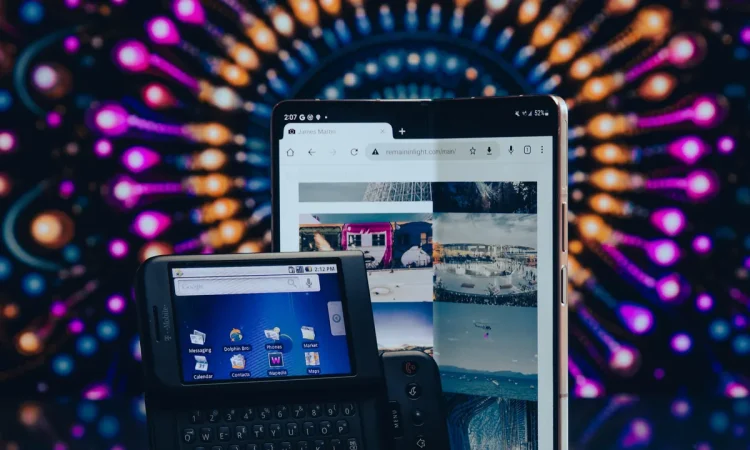
In what is a curious but also predictable twist, it looks like Google is developing an entirely new kind of personal computer that’s based on its wildly popular mobile operating system, Android. Though Android has long been the king of smartphones and tablets, the idea that it could be used to provide the brains of full-fledged personal computers underscores Google’s ambition to extend its software ecosystem into more traditional computing realms.
The first wave of such Android-driven PCs is expected later next year, according to sources familiar with the development.
Android Meets the PC
Android has long been associated with mobile phones, powering millions of handsets around the globe. Its versatility and large app store community have made it endearing to users and developers. But to this point, Android has barely had a stake in the PC world, aside from test devices and hybrids.
Google’s effort to bring Android directly to the PC is a big deal, perhaps the boldest move from mobile computing toward general-purpose computing so far.
The new PCs are meant to take advantage of what Google sees as Android’s core merits:
- Lightweight performance
- Efficiency
- Access to millions of apps
At the same time, the devices aim to provide a computing experience closer to traditional laptops and desktops, which may include:
- Improved keyboard and mouse controls
- Windowed multitasking
- Native support for peripherals such as printers or external displays
Why Android on PCs?
Several factors may explain Google’s push into this space:
- Innovation in the PC market
The old-school PC market has lacked innovation for years and is ripe for new entrants to redefine the category. Android-compatible PCs could compete with Windows, macOS, and Chrome OS, appealing to users already embedded in Google’s ecosystem. - Convergence of mobile and desktop apps
Many users already depend on cloud-based services like Google Drive, Gmail, and Google Docs across devices. Android PCs could provide seamless integration while offering access to the massive Android app marketplace. - Hardware diversity and affordability
Android PCs could be designed for cheaper hardware, creating a new segment of devices that are both affordable and powerful. This could be particularly appealing in regions where high-end PCs are prohibitively expensive.
Expected Features and User Experience
While official specifications are not yet available, rumors suggest Android PCs may feature:
- Hybrid design similar to current Chromebooks
- Touchscreen displays
- Detachable keyboards
- Compact form factors
They are likely to emphasize battery efficiency and quick boot times, hallmarks of Android devices.
On the software side, Google is reportedly optimizing Android for desktop-style multitasking, which may include:
- Resizable windows
- Split-screen apps
- Taskbar/launcher that feels familiar rather than like a web browser
App compatibility will be a major consideration, and Google may facilitate easier porting of Android apps for larger screens and complex input methods.
Potential Challenges
Despite the excitement, several obstacles remain:
- User adoption
Convincing users to embrace Android as a primary PC operating system may be difficult. Windows and macOS dominate desktops and laptops, and many users may hesitate to switch. - Software compatibility
Android’s app catalog is extensive, but many desktop-grade programs are missing. Professionals who rely on software such as Adobe Creative Suite, AutoCAD, or enterprise-specific tools may find the platform limiting unless Google provides strong alternatives or compatibility layers. - Performance requirements
PCs often handle heavier workloads such as video editing, large spreadsheets, or coding projects, which could be challenging for an OS originally designed for mobile devices.
The Market Context
Google’s move comes at a time when tech companies are exploring new hardware-software integration:
- Apple has demonstrated the advantages of controlling both hardware and software with its M-series chips and macOS ecosystem.
- Microsoft has experimented with hybrid and ARM-based PCs, with mixed results.
Google may be envisioning Android in a box—inexpensive, portable, and familiar.
Developers may also benefit, gaining a new platform for their apps beyond smartphones and tablets. This could encourage:
- Optimization for larger screens
- Richer input options
- Utilization of more powerful hardware
All of which strengthens Google’s ecosystem.
Looking Ahead
While many details are still unknown, the implications of Android PCs are significant. If Google can deliver a smooth, intuitive experience combining mobile usability with desktop productivity, it could offer an attractive alternative for users frustrated with current PC choices.
The planned launch next year will be a critical test. Early adopters are likely to include:
- Tech enthusiasts
- Educators
- Users deeply committed to Google services
Market reception will hinge on hardware design, software capabilities, pricing, and app availability.
Google’s Android PCs may redefine expectations for personal computing, emphasizing portability, versatility, and ecosystem integration. Although the road ahead will not be smooth, this move reinforces Google’s ongoing ambition to push the envelope of modern computing.
As the industry awaits official announcements, the tech world will be watching closely. Android’s next chapter might not just reside in your pocket—it could soon sit on your desk.








