
Google Unveils New AI Safety and Watermarking Upgrade to Identify Synthetic Media
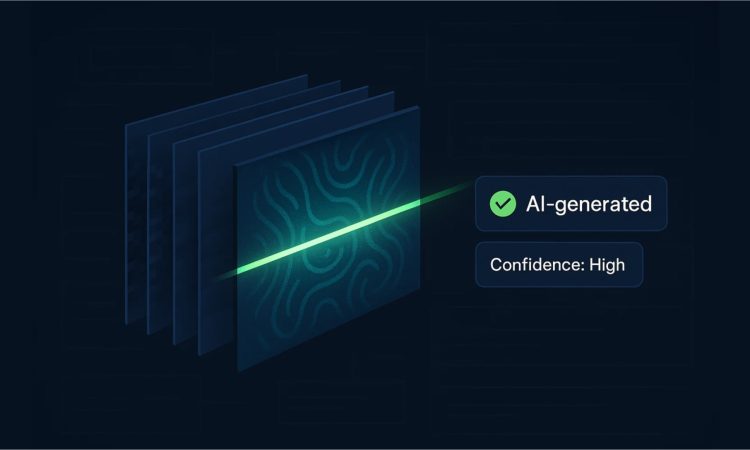
Google has announced a major update to its AI safety system, aiming to help the world keep up with the rapid rise of deepfakes and misleading AI-generated content. With synthetic media becoming harder to detect and easier to produce, the company is rolling out a powerful combination of invisible watermarking and advanced detection tools. This upgrade is designed to give everyday users, creators, journalists, and institutions a clearer way to identify when content has been generated or modified by Google’s AI models.
This move represents one of Google’s most ambitious steps yet to address the growing challenges of generative AI — a technology that’s reshaping creativity, communication, and how information spreads online.
A Growing Challenge: Telling Real from AI-Generated
In just a few short years, generative AI has reached a level of realism that would’ve seemed impossible a decade ago. Today’s models can create images, videos, audio, and text so convincing that even trained eyes struggle to tell the difference.
But with that realism comes real risk.
- Deepfake political speeches
- Fake celebrity videos
- AI-altered news footage
- Voice clones used for fraud
These forms of synthetic media can spread quickly, causing confusion or even harm before anyone realizes they’re fake. As AI tools become more accessible, the risk grows not just for society, but also for individuals whose voices or likenesses can be manipulated without their knowledge.
Google’s upgrade aims to restore some transparency by embedding invisible, tamper-resistant watermarks into AI-generated and AI-edited content.
SynthID: The Invisible Watermark Behind the Upgrade
At the center of this announcement is SynthID, Google’s advanced watermarking technology. SynthID adds a hidden digital marker into media — not on the surface, like a visible watermark, but deep inside the content itself.
This means the watermark:
- Cannot be seen by viewers
- Does not affect quality
- Survives common edits, including:
- Compression
- Cropping
- Resizing
- Color changes
- Reformatting
Because AI-generated content is often reshared, edited, and reposted multiple times, this durability is crucial. It ensures the media’s origin remains identifiable even after significant modifications.
A Detection Portal Built for Transparency
Watermarking only works if people can detect it — and that’s where Google’s new detection portal comes in.
In its early rollout, this portal is available to selected testers such as:
- Journalists
- Researchers
- Fact-checking teams
- Organizations focused on digital authenticity
Users can upload an image, audio clip, or video, and the system will scan it for SynthID markers. If detected, the tool highlights the areas where the watermark is strongest.
The goal isn’t just to label content as AI-generated — it’s to give people more insight into how the content was created or modified. Google plans to expand this tool more widely in the future, with potential integration across the company’s ecosystem.
Bringing Watermarking to Everyday Tools
One of the most practical aspects of this update is its integration into Google’s consumer tools. For example, Google Photos’ AI-powered editing features — including Magic Editor and Reimagine — will now automatically apply SynthID watermarks to edited images.
The watermarking is invisible, so users don’t see any difference. But anyone who later analyzes the photo will know it was enhanced or altered using AI.
This shift reflects a broader industry trend toward making AI transparency a built-in feature rather than an optional one. If widely adopted, it could significantly reduce the spread of misleading edited images across social platforms.
Not a Perfect Fix — And Google Is Clear About That
Despite the breakthrough, Google acknowledges the limitations.
- SynthID only works on content created by Google’s AI tools.
If another company’s model produces a deepfake, there will be no watermark to detect. - No watermark is unbreakable.
With enough effort, someone might remove or disrupt it. - Watermarks alone can’t stop misinformation.
They help identify AI involvement but can’t fix how quickly false content spreads.
Google views this upgrade as one important step in a longer journey — part of a broader industry effort to develop shared standards, better detection systems, and stronger transparency tools.
Why It Matters: Rebuilding Trust in the Digital World
As generative AI becomes part of everyday life, the line between real and synthetic content continues to blur. People are increasingly skeptical of what they see and hear online — and understandably so.
Google’s watermarking and detection upgrade is designed to rebuild some of that lost trust.
If systems like SynthID become standard, they could:
- Help journalists verify media
- Support fact-checkers
- Reduce the impact of deepfakes
- Hold creators accountable
- Give users more confidence in what they consume
The long-term vision is simple: identifying AI involvement should be as straightforward as checking a file detail or metadata entry. While we’re not there yet, this update moves the digital world a step closer.
Looking Ahead: More Media Types, More Platforms
Google has confirmed that this upgrade is only the beginning. Over the coming months, it plans to extend verification features to:
- Long-form video
- Advanced audio
- Additional AI editing tools
The aim is to bring watermarking and detection to more platforms — potentially reaching billions of users worldwide. As synthetic media becomes even more widespread, tools like SynthID may eventually become essential for navigating the digital world safely and responsibly.








