
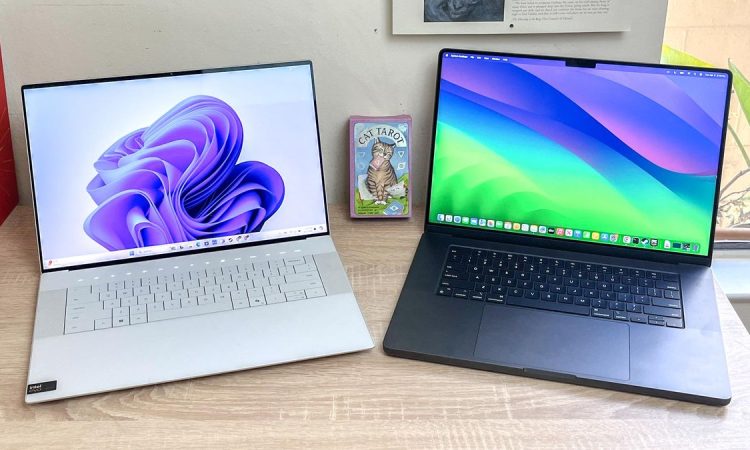
In a time when artificial intelligence is increasingly shaping and taking over the modern computing world, Microsoft Windows, the world’s most dominant desktop operating system, appears to be struggling to keep up with the AI future the company once aimed to dominate.
Despite getting a huge jump with its integration of AI via services such as Copilot, and a deep partnership with OpenAI, the execution has been shaky—and it’s beginning to wear on a lot of users, including tech enthusiasts and professionals, who are finding the feature as cumbersome as it is inspiring.
After years of living in the Windows cocoon, that’s been both a disappointing and enlightening spectacle. That’s not the way AI should be used—to make our work easier, productivity higher, or creativity more robust. But too often, Microsoft’s brand of AI has come off as stitched together, forced, and sometimes, quite frankly, broken.
By contrast, Apple’s plodding pace on AI, coupled with a monomaniacal focus on user experience and privacy, feels more appealing by the day.
The Promise of AI on Windows — And the Harsh Reality
When Microsoft announced its AI-based Copilot for Windows, the hype was real. Billed as an AI assistant integrated into the platform, Copilot purported to:
- Ease workflows
- Automate mundane duties
- Write emails or document summaries
For a moment, it felt like Microsoft was poised to reinvent the desktop experience.
But the results haven’t lived up to the hype. The Copilot integration on Windows 11 has been:
- Random in execution
- Half-implemented
- Often a glorified web wrapper for Bing Chat
Rather than a tool integrated into the fabric of the OS, Copilot feels more like:
- An interruption than a productivity enhancer
- A chatbot in a sidebar, not a system-level assistant
Aggressive Rollout and Privacy Concerns
Microsoft’s aggressive push to integrate AI throughout Windows has started to chip away at user confidence. Key issues include:
- Launching Copilot without clear privacy disclosures
- Constant pop-ups pushing Bing, Edge, or Microsoft 365 AI tools
As a result, it often feels like the platform is more interested in user data collection than in delivering value. The line between helpful and invasive is increasingly blurred.
Performance Hits and Hardware Limitations
Another rising concern: the performance cost of Microsoft’s AI features.
- AI features are computationally intensive.
- Microsoft now favors hardware with Neural Processing Units (NPUs).
- Most current users lack NPU-enabled hardware, making many features inaccessible or lackluster.
Users with slightly older machines report:
- System slowdowns
- Increased background activity
- Shorter battery life
This creates a paradox: AI is supposed to make computing smarter and more efficient—but in practice on Windows, it feels bloated and resource-hungry.
Apple’s Quiet AI Revolution
Unlike Microsoft’s marketing-heavy approach, Apple has taken a more measured, thoughtful path. Until recently, Apple appeared indifferent to the AI arms race. That changed with the announcement of Apple Intelligence at WWDC 2024.
Key AI Features in iOS 18, iPadOS 18, and macOS Sequoia:
- Writing assistance
- Text summarization
- Photo editing
- Intelligent notifications
- A smarter Siri
What sets Apple’s AI apart:
- Features are deeply integrated and context-aware
- Users can opt-in or ignore them easily
- AI runs quietly in the background, without selling or pushing anything
Commitment to Privacy
Apple introduced Private Cloud Compute, which ensures:
- Local AI processing when possible
- Secure, privacy-first cloud processing when necessary
- Transparent user data policies
This is a far cry from Microsoft’s opaque AI behavior, where users are often unaware of how, where, or why their data is being used.
The User Experience Gap
This AI strategy gap highlights a bigger issue: the growing user experience divide between Windows and macOS.
- Apple is known for consistent, intuitive, and polished interfaces.
- Windows, on the other hand, feels fragmented, with AI elements tacked on like beta features lacking cohesion.
Instead of delight, Windows AI features often resemble:
- Experimental rollouts
- Beta software tested on users without sufficient vetting
Developer and Ecosystem Concerns
Frustration is also growing among developers.
- Microsoft’s AI tooling, especially Copilot in Office, is largely restricted to expensive enterprise tiers.
- Indie developers and small companies feel excluded.
In contrast, Apple is opening the door to its ecosystem with:
- A new App Intents framework
- Developer-accessible AI APIs for Apple Intelligence
This approach makes Apple’s AI evolution feel more inclusive and developer-friendly.
Is It Time to Switch?
This leads to the big question:
Should longtime Windows users consider switching to Apple?
Windows has long been a stronghold for:
- Power users
- Gamers
- Businesses
But with AI now a fundamental part of computing, Microsoft’s flawed execution is becoming more obvious.
On the other hand, Apple is showing that AI can be powerful, private, and invisible—enhancing, not dominating, the user experience.
Of course, switching ecosystems isn’t easy:
- Legacy apps
- File systems
- Existing workflows
But for those who value stability, refinement, and user-first evolution, Apple is becoming harder to ignore.
Final Thoughts
Microsoft still has the potential to pivot. Its partnership with OpenAI and ambitions in AI are substantial. But unless it refocuses on:
- User experience
- Performance optimization
- Ethical AI deployment
Even its most advanced features will fall flat.
For now, Windows’ AI problem isn’t just about features—it’s about trust, usability, and vision.
And for many long-time users like myself, the internal debate is growing louder:
“Maybe it’s finally time to jump ship—to Apple.”








