
Taiwan Rejects U.S. Offer of 50-50 Split on Semiconductor Production
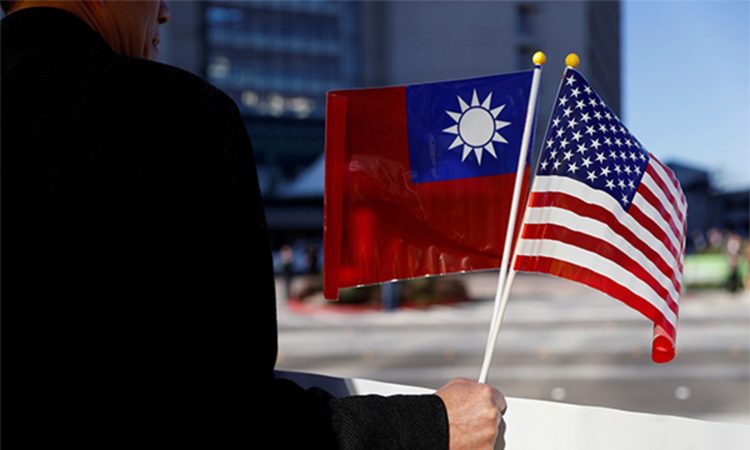
In a major moment for global trade and technology, Taiwan has flatly rejected an American proposal that it would have to divide semiconductor production between Taiwan and the United States. The proposal, reportedly discussed in recent high-level trade talks, aimed to reduce the United States’ reliance on overseas chip manufacturing amid concerns about national security and supply chain vulnerabilities. Taiwanese authorities, however, have repeatedly stated that such a deal is neither feasible nor acceptable.
The Proposal and Taiwan’s Response
The concept of a 50-50 chip production split emerged from talks between U.S. trade officials and their Taiwanese counterparts.
- U.S. Perspective: Policymakers highlighted the foreign dominance over advanced semiconductor manufacturing, particularly by Taiwan Semiconductor Manufacturing Company (TSMC), which dominates the market for high-performance chips used in smartphones, artificial intelligence, and other advanced technologies.
- Rationale: Producing half of the chips domestically was proposed to mitigate risks from potential supply chain disruptions caused by geopolitical tensions or natural disasters. The U.S. described Taiwan’s semiconductor industry as a “single point of failure” for the global technology supply chain.
Taiwan’s Response:
- The Taiwanese delegation quickly rejected the proposal.
- The Vice Premier and chief trade negotiator clarified that a 50-50 production split was never agreed upon or even discussed.
- Taiwan emphasized that future negotiations would not accept such a condition, reinforcing the nation’s commitment to maintaining control over its vital semiconductor industry.
Strategic Significance of Taiwan’s Semiconductor Industry
Taiwan’s semiconductor sector is both an economic engine and a strategic asset with global implications. TSMC alone produces nearly all of the world’s most advanced microchips, giving Taiwan significant influence over technology markets and supply chains. Relocating production would erode its economic clout and threaten its strategic position.
Key reasons for Taiwan’s stance include:
- Economic Factors
- Semiconductor manufacturing is capital-intensive, requiring large investment in infrastructure, machinery, and skilled manpower.
- Shifting production to the U.S. would be expensive due to higher labor costs and could disrupt well-established supply chains.
- National Security
- Taiwan regards its semiconductor industry as a “strategic shield.”
- The country’s advanced chip capabilities provide economic and political leverage, particularly amid regional tensions.
- Producing abroad could undermine this strategic strength.
- Supply Chain Stability
- The global semiconductor supply chain is complex and highly interconnected.
- Sudden changes in production locations could lead to shortages affecting industries worldwide, from automakers to electronics manufacturers.
Ongoing Trade Discussions
While rejecting a 50-50 production arrangement, Taiwan remains open to alternative forms of collaboration with the United States:
- High-tech Strategic Partnership:
- Focus on increasing U.S. production capacity without relocating supply chains entirely.
- Potential initiatives include:
- Collaborative R&D
- Strategic investments
- Industrial clusters connecting Taiwanese expertise with U.S. manufacturing capabilities
- Tariff Negotiations:
- Taiwan seeks tariff exemptions on its exports to the U.S., especially in hi-tech sectors.
- Favorable tariff terms could encourage cooperation without forcing a wholesale transfer of production.
Impact on the Global Semiconductor Industry
Taiwan’s rejection of a 50-50 split demonstrates the challenges of reshaping global semiconductor supply chains:
- The U.S. aims to reduce dependence on foreign suppliers and enhance national security.
- Taiwan highlights the practical difficulties of relocating high-tech manufacturing, which may not be economically viable.
Implications for the tech industry:
- Chip availability and pricing are already sensitive to disruptions in Taiwan.
- Any large-scale relocation could have ripple effects across multiple industries worldwide.
- Taiwan’s decision signals that geopolitics and industrial strategy are now deeply intertwined.
- Maintaining control over its semiconductor industry ensures Taiwan remains a central player in global technology politics.
Moving Forward
Negotiations between Taiwan and the United States are expected to continue, with a focus on mutually beneficial agreements rather than relocating production:
- Emphasis on collaborative research, technology sharing, and investment incentives
- Goals include improving supply chain security and resilience while preserving Taiwan’s economic and strategic interests
Analysts note that the outcome of these discussions could influence global semiconductor trends for years.
- Taiwan’s leadership has made it clear that its advanced semiconductor industry will not be surrendered.
- The U.S. is likely to explore domestic investments and partnerships with other countries to diversify its chip production capacity.
Conclusion
Taiwan’s refusal to endorse a U.S. 50-50 semiconductor production plan illustrates:
- How challenging trade dynamics have become
- The high stakes of the global semiconductor industry
While both nations aim to strengthen technological cooperation and supply chain security, Taiwan’s stance highlights the limitations of production redistribution.
Future collaboration will likely focus on:
- Strategic partnerships
- Joint investments
- Technology initiatives
This development reinforces Taiwan’s key role in global semiconductor manufacturing and reflects the geopolitical and economic pressures shaping the technology industry today.
The ongoing Taiwan-U.S. dialogue will continue to be closely watched by governments and corporations worldwide, given its far-reaching implications for technology supply chains, international trade, and strategic economic policy.








