
How Multilingual AI Models Are Breaking Global Communication Barriers in 2025
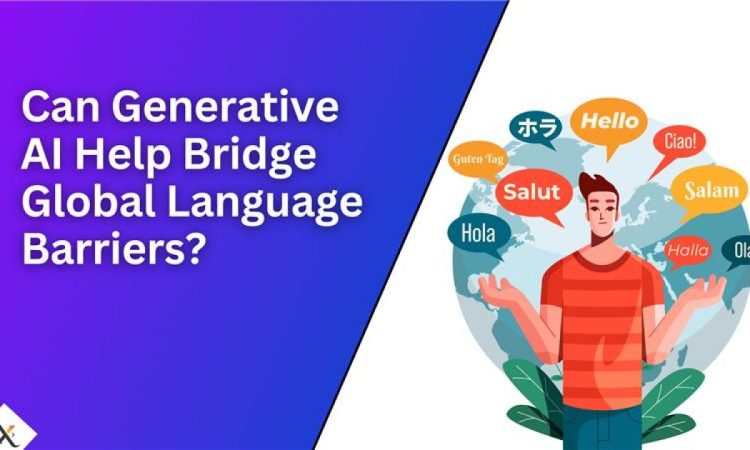
In 2025, the world feels closer than ever, yet language differences still challenge global collaboration, business, and cultural exchange. For decades, people relied on translators, dictionaries, and language learning to bridge these gaps. Now, multilingual AI models are changing the game, enabling seamless communication across borders and opening new opportunities for individuals, businesses, and governments alike.
Advanced AI systems today can understand, generate, and translate dozens of languages with near-human fluency. Unlike older translation tools, which struggled with idioms, tone, or regional dialects, the latest AI models use deep learning and massive datasets to understand context and cultural nuance. The result? Communication that feels natural, accurate, and intuitive, reducing misunderstandings and fostering genuine human connection.
From Global Business to Everyday Conversations
Multilingual AI is impacting nearly every aspect of life.
Businesses: Global companies are among the first to benefit. Multinational corporations that once depended on teams of translators for marketing campaigns, product launches, and customer service are now integrating AI language tools into daily operations.
- Instant translations: Documents, emails, and meetings are translated in real-time.
- Cross-border collaboration: A tech company in the U.S. can now host a video meeting with engineers in Japan, marketers in Brazil, and suppliers in Germany without miscommunication.
- Cost efficiency: Reduced need for large translation teams saves both time and money.
Everyday life: Multilingual AI is transforming personal interactions, too.
- Social media platforms, messaging apps, and virtual meeting tools embed AI translation features, allowing users to communicate across languages effortlessly.
- Travelers can navigate foreign cities with AI assistants that understand local languages and customs, acting like personal guides.
- Students can access educational materials in multiple languages, breaking long-standing barriers to knowledge.
Cultural Preservation and Linguistic Diversity
Multilingual AI is also helping preserve languages and cultural heritage. Many smaller languages face extinction as younger generations shift to global languages. AI models trained on diverse linguistic datasets can help:
- Document and preserve endangered languages.
- Provide translation and transcription tools for local communities.
- Empower communities to maintain cultural identity while participating in a globalized world.
Cross-cultural understanding: AI enables literature, music, research, and art to reach audiences worldwide. A poet in Senegal can share their work with readers in South Korea, and a researcher in Poland can collaborate seamlessly with colleagues in Mexico. Multilingual AI fosters empathy and mutual appreciation across cultures.
Challenges and Ethical Considerations
While multilingual AI is transformative, it comes with challenges:
- Accuracy: Languages with limited digital data may see errors or loss of nuance. Researchers are working to create more diverse datasets and algorithms that learn from minimal data.
- Privacy: Real-time translation in sensitive contexts (legal, medical, diplomatic) raises privacy concerns. Data must be handled securely and transparently.
- Human skills: Overreliance on AI could reduce human language proficiency. Experts stress that AI should complement, not replace, human communication.
The Technological Backbone
The success of multilingual AI depends on several technological breakthroughs:
- Advanced neural networks: Transformer-based models and large-scale pretraining help AI understand language contextually.
- Real-time speech recognition: AI can interpret spoken language instantly, bridging written and oral communication.
- Cloud computing and high-speed networks: Accurate translations are now available across devices and locations, making global conversations seamless.
A Vision for the Future
The potential of multilingual AI is vast:
- Education: Students can access resources in any language, making learning more equitable.
- Commerce: Cross-border negotiations and supply chains can operate smoothly.
- Cultural exchange: Artistic and scientific ideas can circulate globally without language barriers.
Governments and international organizations are exploring AI-driven translation for diplomacy, public health, and humanitarian efforts. Tech companies continue refining models, expanding language coverage, and improving naturalness in translation—bringing the dream of a connected world closer to reality.
Conclusion
In 2025, multilingual AI models are no longer futuristic—they are part of daily life. By breaking down language barriers, these systems:
- Facilitate communication.
- Promote cultural exchange.
- Preserve linguistic diversity.
- Create new opportunities for economic, educational, and social growth.
While challenges remain, the path forward is clear. AI is making the world more accessible, empathetic, and interconnected than ever. Multilingual AI is not just translating words—it is translating understanding, bridging gaps, and bringing humanity closer together.








