
Hyundai Invests in AI and Robotics to Drive Autonomous Vehicle Innovation
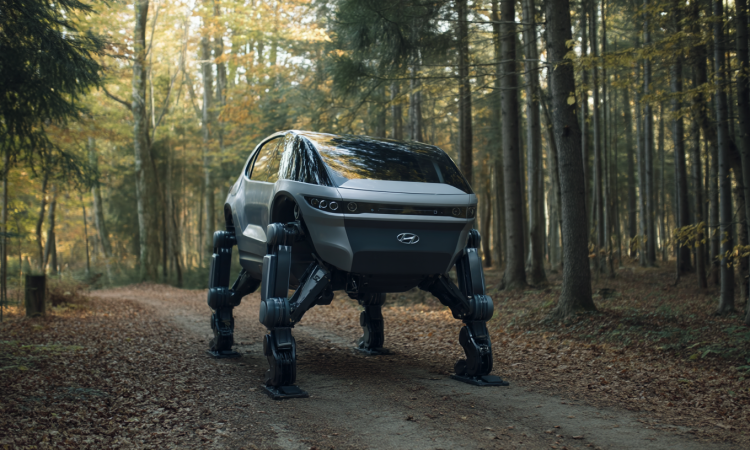
Seoul, November 12, 2025 — Hyundai Motor Group is accelerating its journey into the future of mobility. The automaker is making a significant investment in artificial intelligence (AI) and robotics to transform how autonomous vehicles are developed. In a strategic move that underscores Hyundai’s ambition to lead in intelligent mobility, the company has partnered with a leading AI robotics startup. While the startup’s name has not been disclosed, this collaboration highlights Hyundai’s commitment to integrating AI deeply into vehicle design, production, and operations.
A Bold New Direction
Hyundai’s initiative is focused on building advanced AI infrastructure that can support autonomous driving, smart manufacturing, and robotics. By leveraging cutting-edge AI technologies, Hyundai aims to speed up the development and deployment of autonomous vehicles. This move positions the company to compete strongly in the global automotive market as vehicles transition from purely mechanical machines to software-driven platforms.
The Role of AI and Robotics
Autonomous vehicles depend on sophisticated AI algorithms to process real-time data from sensors, cameras, and other inputs. Hyundai’s investment in robotics enhances this by allowing more precise manufacturing and efficient testing of self-driving systems. Robotics will also play a crucial role in research and development, where automation and simulation can dramatically shorten development cycles.
Hyundai plans to apply AI across three main areas:
1. In-Vehicle Intelligence
Advanced AI will power next-generation driver-assistance systems and lay the groundwork for fully autonomous driving. These systems aim to improve safety, efficiency, and overall driving experience by enabling vehicles to learn and adapt to complex conditions.
2. Smart Manufacturing
AI-powered simulations and robotics will allow Hyundai to create digital twins of its factories. These virtual replicas help engineers optimize production, integrate robotics seamlessly, and predict maintenance needs before issues arise.
3. Robotics Integration
Hyundai’s robotics division, which includes wearable and service robots, will leverage AI to enhance functionality and collaborate with autonomous vehicles. This integration could lead to smarter logistics, improved mobility solutions, and more efficient vehicle assembly.
Strategic Context
Hyundai’s AI and robotics investment comes as the automotive industry shifts rapidly toward intelligent mobility. In today’s market, AI and computing power are just as crucial as mechanical engineering, and companies that fall behind risk losing ground in the autonomous and connected vehicle space.
In recent years, Hyundai has invested billions in research and development focused on autonomous driving, electric vehicles, and robotics. This new initiative represents the next stage of that strategy, where AI is not just a tool but a central driver of innovation. By embedding AI into vehicle design, manufacturing, and operations, Hyundai aims to leapfrog competitors who are taking slower, incremental approaches.
Expected Benefits
Hyundai’s investment promises multiple advantages:
- Faster Development: AI simulations and robotics allow Hyundai to test autonomous driving scenarios more quickly than traditional road tests.
- Cost Efficiency: Automation reduces reliance on manual labor, ensures consistent quality, and enables scalable production.
- Talent and Ecosystem Growth: Hyundai plans to establish centers for AI research and application development, nurturing innovation and expertise within South Korea.
- Competitive Differentiation: With deep AI integration, Hyundai is setting new benchmarks in autonomous mobility while many competitors are still building foundational systems.
Challenges Ahead
Despite its promise, Hyundai faces several hurdles:
- Complex Real-World Integration: Implementing autonomous driving in real-world conditions is still technically demanding.
- Regulatory and Safety Concerns: Laws, safety standards, and public acceptance will influence the speed of deployment.
- High Investment Costs: Building large-scale AI infrastructure requires significant funding and time before returns are realized.
Implications for Consumers and the Market
For consumers, Hyundai’s approach could mean vehicles that are smarter, safer, and more adaptive to changing road conditions. Features like continuous learning, over-the-air updates, and advanced driver-assistance systems may become standard, improving convenience and safety.
For the automotive market, Hyundai’s strategy signals that the next frontier lies in software-defined vehicles and intelligent factories. Companies investing in AI, robotics, and integrated ecosystems are likely to shape the future of mobility in the next decade.
Looking Ahead
Although the specific startup remains undisclosed, Hyundai’s broader strategy is clear: AI and robotics will be central to the company’s future. We can expect:
- New autonomous vehicle features powered by Hyundai’s AI systems.
- Expanded robotic capabilities across operations.
- Further integration of AI into production and mobility services.
By combining advanced AI, robotics, and manufacturing expertise, Hyundai is positioning itself at the forefront of the autonomous mobility revolution. This investment not only strengthens its competitive edge but also sets a standard for AI and robotics integration across the global automotive industry.








