
FuriosaAI Rejects $1B Meta Takeover for ‘Significantly More’ from Korean Conglomerate
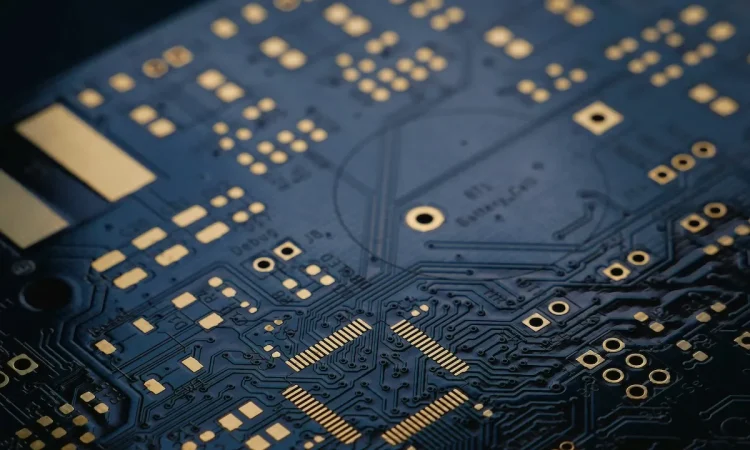
Marking a daring move as South Korea increasingly shows its muscle in the artificial intelligence hardware market, yet another up-and-coming AI chip startup, FuriosaAI, has made a rather meaningful commercial partnership—instead of aiming to sell itself. The Seoul-based firm secured a significant contract to provide its state-of-the-art RNGD AI chips to businesses deployed through LG AI Research’s industry-leading EXAONE platform, a next-generation multimodal AI system developed by one of South Korea’s leading industry research bodies.
The news was announced Tuesday, marking an inflection point not only for FuriosaAI but potentially for the Asian AI semiconductor ecosystem writ large. The partnership is a clear signal that the company remains wedded to its plan to create a sustainable, independent presence in the cutthroat world of AI hardware—despite acquisition interest from global tech giants, including Meta.
Choosing Partnership Over Acquisition
Earlier this year, rumors circulated that FuriosaAI was in late-stage talks with Meta about a possible deal. Meta was interested in integrating Furiosa’s AI accelerator technology into its infrastructure to power large language models and machine learning workloads, industry sources told TechCrunch.
But FuriosaAI eventually rejected the deal for longer-term strategic independence. Company executives said that independence was necessary to realize their ambition of emerging as Asia’s largest player in the AI chip sector.
Through the deal with LG AI Research, FuriosaAI has the rare opportunity to grow its hardware through real-world enterprise applications, while maintaining ownership over its technology direction and road map.
“This cooperation is a meaningful point in our timeline,”
said FuriosaAI CEO Bae Min-seok.
“Instead of getting swallowed by a global giant, we decided to strengthen our roots in the Korean AI ecosystem and develop solutions that meet enterprise needs across the board.”
Behind the Partnership: RNGD Chips Fueling EXAONE
At the heart of the collaboration stands FuriosaAI’s leading product: the RNGD AI chip, optimized for next-generation AI workloads including:
- Computer vision
- Natural language processing
- Multi-modal data interpretation
Designed using advanced semiconductor processes and a custom architecture for AI inference and training, RNGD is considered a strong competitor to chips released by Nvidia and AMD.
LG AI Research’s in-house developed high-performance AI platform, EXAONE, is set to benefit from FuriosaAI’s chips. EXAONE is a large-scale multimodal AI model capable of processing both language and images, akin to OpenAI’s GPT-4 or Google DeepMind’s Gemini. It was developed for various enterprise and research use cases, including:
- R&D in pharmaceuticals
- Materials science
- Smart manufacturing
With FuriosaAI’s hardware now in the mix, there are projected to be major performance improvements, such as:
- Increased inference speed
- Greater energy efficiency
- Enhanced parallel computing capabilities
Why It Matters: Asia’s AI Hardware Push
The FuriosaAI–LG AI Research transaction is emblematic of a larger trend: Asia is scrambling to build its own AI infrastructure, lessening reliance on Western chipmakers.
As U.S. restrictions on semiconductor exports to China have grown tighter—raising concerns over supply chain sovereignty—South Korea has been investing heavily in developing a domestic AI stack.
FuriosaAI’s Background and Strategic Role
- Founded: 2017 by ex-AppNexus and Samsung engineers
- Backed by: Korea’s Ministry of Science and ICT
- Investors include: Naver, Kakao Ventures, Korea Investment Partners
- Funding raised: Over $100 million
The company is viewed as a critical pillar of Korea’s national strategy to position itself as a tech superpower in AI hardware.
“This collaboration with LG AI Research demonstrates the soundness of our investment approach.”
By launching its chips inside a real-world, high-demand AI ecosystem such as EXAONE, FuriosaAI now has the opportunity to drive chips into production—a key milestone for broader enterprise adoption.
Competing with the Giants
FuriosaAI faces stiff competition. The AI chip market is currently:
- Led by: Nvidia
- Market Share: Over 80% with H100 chips
- Challengers: AMD (MI300), Intel (Gaudi2)
How FuriosaAI Stands Out
- Open compatibility: Supports major ML frameworks (TensorFlow, PyTorch, ONNX)
- Developer-friendly: Easily integrates into existing workflows
- Energy-efficient: Ideal for cost-conscious data centers
As regulatory and supply chain trends accelerate the global shift away from U.S. chipmakers, FuriosaAI may find strong demand not only in Korea, but across:
- Southeast Asia
- India
- The Middle East
What’s Next for FuriosaAI?
Following this strategic win, FuriosaAI is reportedly:
- In talks with: Cloud service providers and government research bodies
- Planning: Expansion of RNGD chip deployment
There is also industry chatter about a Series C fundraising round in late 2025, likely aimed at:
- Expanding production capacity
- Establishing a second R&D center outside Seoul
Industry analysts believe that if FuriosaAI can deliver consistent benchmarks and scale up manufacturing, it could become a key global contender in the AI chip race by the end of the decade.
“With AI workloads growing more complex and high-performance chips in demand, the need for diverse and geographically distributed AI solutions has never been greater.”
By staying independent and pursuing strategic partnerships, FuriosaAI is steadily building a global footprint.
Conclusion: Betting on the Future
By electing collaboration over acquisition, FuriosaAI has made a strong statement:
Silicon Valley doesn’t have to define the future of AI hardware.
With:
- Deep technical talent
- Strategic alignment with national goals
- Strong financial backing
Startups like FuriosaAI are showing that world-class innovation can emerge outside traditional tech hubs.
As its next-generation RNGD chips prepare to power LG AI Research’s EXAONE, all eyes are on FuriosaAI. The question now is not if—but how quickly—this Korean startup will rise to become a true AI hardware titan in the APAC region.








