
You Can’t Libel the Dead. But That Doesn’t Mean You Should Deepfake Them
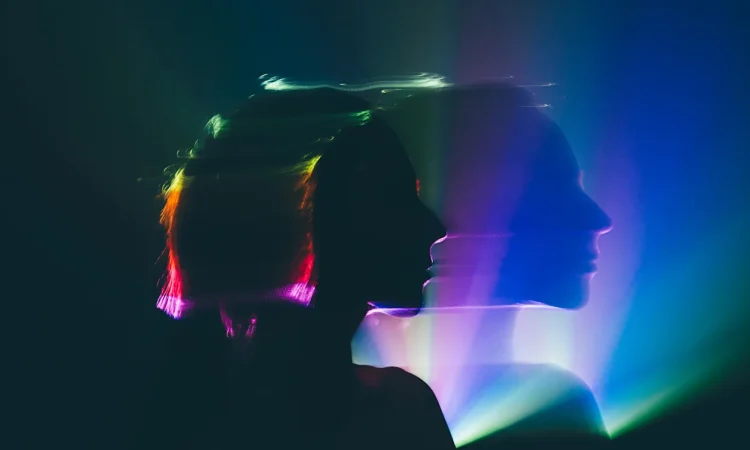
In today’s world, technology can recreate reality with uncanny accuracy, and society is facing a new frontier: deepfakes of deceased individuals. While the law is clear—libel doesn’t apply to the dead—the ethical, emotional, and social consequences of digitally resurrecting someone without consent are significant. As AI media becomes easier to access, the debate over posthumous deepfakes is no longer hypothetical; it’s a real moral challenge.
Understanding the Technology
Deepfakes are AI-generated videos, images, or audio that convincingly mimic a real person’s appearance, voice, and behavior. Initially, the technology excited creatives: filmmakers could bring past actors back to the screen, and users could make entertaining content that felt real.
However, these tools also have a darker side. AI models can now produce eerily realistic digital versions of deceased celebrities, historical figures, or even private individuals. Unlike simple media editing, deepfakes replicate not just appearances but also gestures, speech patterns, and subtle emotional expressions. The result blurs the line between memory, reality, and fabrication.
The Legal Landscape
Most defamation laws exist to protect the living. Statements that could harm the reputation of someone who has passed away usually fall outside legal recourse. Technically, this means deepfaking the dead cannot be considered libel.
Yet legal loopholes don’t automatically grant ethical permission. There’s a gray area regarding consent, dignity, and emotional impact. Families and communities often experience the fallout, and society risks eroding standards of respect and authenticity.
Ethical Concerns
Deepfaking the deceased raises several ethical dilemmas:
- Consent: A person who has passed away cannot approve the use of their image or voice. Using someone’s likeness without permission—especially for profit, political messages, or entertainment—ventures into morally questionable territory.
- Emotional impact: Seeing a digital version of a loved one behaving in ways they never would can be distressing or even traumatic. Grief is deeply personal, and inserting AI-generated simulations can undermine authenticity and closure.
- Historical distortion: Posthumous deepfakes can rewrite public perception. Artificial scenarios might misrepresent a person’s values or actions, complicating how history is remembered.
The Commercial Temptation
The entertainment and advertising industries are exploring the potential of posthumous deepfakes.
- Studios can “resurrect” deceased actors for movies, commercials, or immersive experiences.
- Social media sometimes amplifies AI-generated tributes.
- Companies offer personalized digital interactions with the deceased as novelty products.
While these innovations may be technically impressive, they raise ethical concerns. Profiting from someone’s likeness without consent risks commodifying identity and turning legacies into products for consumption.
Societal Implications
Posthumous deepfakes don’t just affect families—they can have broader societal consequences:
- Misinformation: Resurrected figures could be misused to influence public opinion or spread false narratives. Imagine historical icons delivering messages they never endorsed.
- Desensitization: Accepting digital resurrection of the dead could make fabricating the living more acceptable, further eroding trust in media and authenticity.
Navigating the Moral Landscape
If the law doesn’t strictly prohibit deepfakes of the deceased, what ethical guidelines should apply? Experts suggest:
- Consent and Legacy: Seek permission from the individual before death or from their legal heirs afterward.
- Purpose and Context: Limit use to educational, memorial, or ethical applications rather than commercial or misleading purposes.
- Transparency: Clearly label AI-generated content to maintain audience trust.
- Cultural Sensitivity: Respect different cultural norms around death and remembrance.
The Human Factor
Despite the technical marvel of deepfakes, the human element is paramount. Death is not just a legal fact—it’s a deeply emotional and social event. How we treat the deceased reflects societal values, empathy, and respect. Technology may allow digital resurrection, but it doesn’t grant moral permission.
The temptation to see a long-lost parent, celebrity, or historical figure in lifelike motion is strong, evoking awe, nostalgia, or amusement. But each deepfake carries potential consequences—emotional, ethical, and societal—that extend far beyond novelty.
Conclusion
Legally, you may be allowed to digitally resurrect the dead without fear of libel. Ethically, the story is far more complicated. Deepfakes of deceased individuals challenge our understanding of consent, legacy, and respect.
As AI advances, the temptation to bring back the dead digitally will grow. The decision to do so should not be taken lightly. Just because we can create lifelike simulations doesn’t mean we should. We can replicate appearances, but we cannot recreate consent, memory, or dignity—and that may be reason enough to proceed with caution.








