
Chronosphere Introduces AI-Guided Troubleshooting Tools for Outage Detection
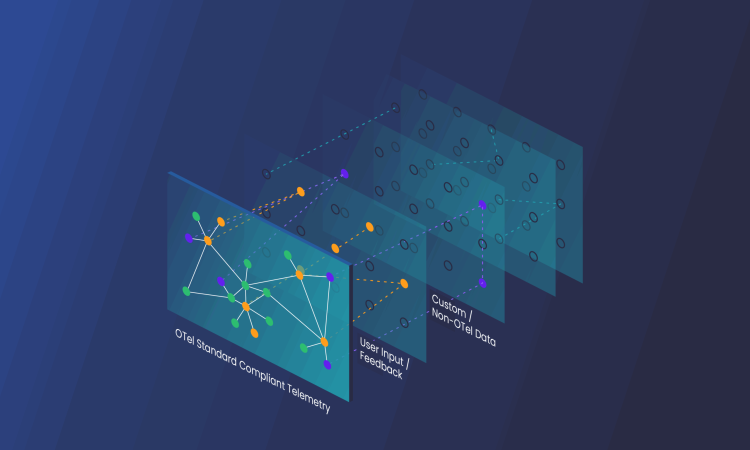
In a major step forward for modern observability, Chronosphere, a leading enterprise monitoring platform, has launched a suite of AI-guided troubleshooting tools designed to change how companies detect and resolve system outages. These tools aim to tackle one of the biggest challenges in today’s software world: speeding up the process of identifying and fixing failures in complex distributed systems.
The Challenge of Modern Outage Detection
As organizations increasingly adopt cloud-native architectures, microservices, and continuous deployment practices, software systems have become far more complex. While these innovations allow teams to release features faster and scale more efficiently, they also create intricate interdependencies and hidden failure points.
Engineering teams often face overwhelming amounts of telemetry data, logs, and alerts when trying to trace the root cause of an outage. Traditional troubleshooting methods—heavily dependent on manual investigation and team experience—simply can’t keep up. Outages can result in lost revenue, damaged customer trust, and increased operational stress.
Chronosphere’s AI-driven tools are designed to streamline the troubleshooting process, offering actionable insights and reducing the trial-and-error often involved in incident response.
Core Features of Chronosphere’s AI-Guided Tools
Chronosphere’s new suite introduces four main capabilities that make outage detection faster, smarter, and less stressful:
1. Proactive Suggestions
The tools provide plain-language guidance based on observed anomalies and historical patterns. By highlighting the most likely causes, engineers can focus investigations efficiently and avoid wasting time.
2. Temporal Knowledge Graph
This feature creates a dynamic map of services, infrastructure, dependencies, and telemetry over time. Engineers can see how system changes—like deployments or configuration updates—impact performance, making troubleshooting context-aware and data-driven.
3. Investigation Notebooks
These persistent workspaces document every step of an incident investigation. They capture evidence, analysis, and conclusions, turning individual efforts into reusable organizational knowledge. Lessons learned are preserved for future incidents, improving team efficiency.
4. Natural Language Assistance
Engineers can query observability data using natural language, simplifying the creation of dashboards and the exploration of complex datasets. This makes advanced troubleshooting more accessible and intuitive.
Together, these features aim to reduce mean time to resolution (MTTR), improve accuracy, and relieve engineers’ cognitive load during high-pressure outages.
Transforming Outage Response
Chronosphere’s tools tackle several key challenges in traditional incident workflows:
- Rapid Diagnosis: Context-aware suggestions and a temporal view of dependencies allow teams to quickly pinpoint root causes.
- Reduced Dependence on Tribal Knowledge: Investigation notebooks capture organizational memory, helping new team members jump in confidently.
- Improved Context Awareness: Correlation of telemetry with system changes prevents alerts from being misinterpreted or ignored.
- Decreased On-Call Stress: Streamlined troubleshooting reduces pressure and burnout on engineers.
- Continuous Learning: As the knowledge graph grows, AI suggestions improve over time, guiding future investigations more effectively.
Chronosphere stresses that the AI is meant to augment engineers, not replace them, giving teams guidance while keeping decision-making human-driven.
Market Context and Competitive Edge
The observability market is highly competitive, with solutions from established players in monitoring, logging, and incident analysis. Chronosphere differentiates itself through:
- Temporal Knowledge Graph for dynamic system mapping
- Natural Language Query capabilities for easy data access
- Integration of Custom Telemetry for a more complete view of system health
By providing transparent AI recommendations, Chronosphere builds trust with engineers, ensuring that suggestions are understandable and actionable.
Adoption and Practical Benefits
Chronosphere’s AI-guided tools are designed for enterprises dealing with rapid development cycles and complex systems. Organizations can expect:
- Reduced MTTR: Faster identification and resolution of incidents.
- Enhanced Knowledge Retention: Investigation notebooks create a living record of incidents.
- Lower Operational Costs: Efficient troubleshooting optimizes resource usage and data storage.
- Scalability of Response: Teams can manage larger, more complex systems without increasing on-call staff.
The tools are currently in limited availability, with a broader rollout planned for the coming year. Early adopters have already seen improvements in incident response efficiency and reduced on-call stress.
Why the Timing Matters
Several industry trends make this launch particularly relevant:
- Complex Software Systems: Microservices, containers, and cloud-native architectures create intricate dependencies.
- Faster Development Cycles: Continuous deployment and AI-assisted coding increase the risk of outages.
- Growing Telemetry Volumes: Massive logs, metrics, and traces require smarter analysis to prevent overload.
- Engineer Burnout: On-call stress is a pressing issue, and tools that streamline incident response are highly valuable.
Chronosphere’s AI-guided suite addresses these trends, providing a solution tailored to the modern software team’s operational needs.
Looking Ahead
The launch of AI-guided troubleshooting represents a new era in observability. By integrating AI while keeping human oversight, Chronosphere enables faster, more reliable incident response.
The success of these tools will depend on how teams adopt them, leverage the knowledge graph, and trust AI guidance under pressure. For companies dependent on continuous system availability, the benefits are clear: fewer disruptions, faster resolutions, and a smoother on-call experience. Chronosphere’s latest innovation is poised to set a new standard in observability for complex, modern infrastructures.








