
The Rise of Autonomous AI Agents — Today’s Top Trending Innovation in Artificial Intelligence
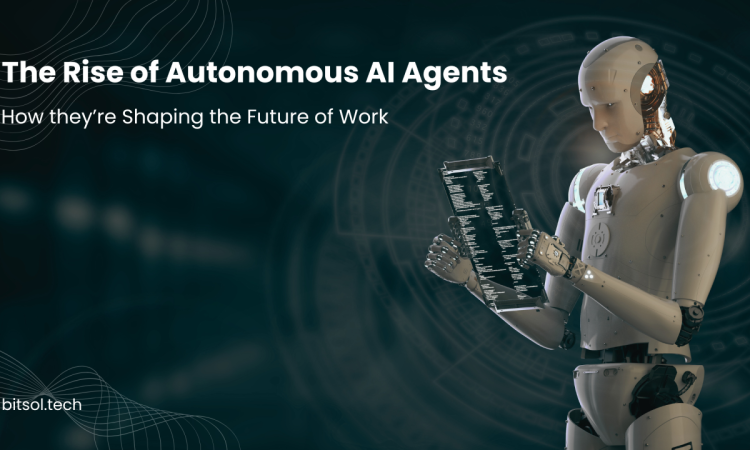
Artificial Intelligence (AI) has grown at an extraordinary pace over the last decade. What once were simple tools that assisted humans are now evolving into intelligent systems capable of independent decision-making and problem-solving. Among the most exciting developments in this field is the rise of autonomous AI agents. These systems aren’t just reactive—they can proactively initiate tasks, learn from experience, and interact with complex environments without constant human supervision. It’s no wonder they are emerging as one of the hottest trends in AI, captivating researchers, entrepreneurs, and tech enthusiasts worldwide.
What Are Autonomous AI Agents?
Autonomous AI agents, sometimes called “self-driving algorithms,” mark a significant shift from traditional AI models that rely heavily on human input.
- Traditional AI: Executes pre-defined instructions or predicts outcomes based on historical data.
- Autonomous AI Agents: Operate independently, set their own goals, and adapt strategies in real-time.
This leap allows for innovations that were once the stuff of science fiction—machines that can negotiate deals, optimize logistics, manage financial portfolios, or collaborate on creative projects without direct human intervention.
What’s Driving Their Rise?
Several technological breakthroughs are fueling the surge of autonomous AI agents:
- Advances in Machine Learning: Reinforcement learning and deep learning allow AI to learn from structured data and real-world interactions.
- Powerful Computing Resources: More sophisticated neural network architectures enable faster, smarter decision-making.
- Natural Language Processing (NLP): Agents can now understand instructions, communicate effectively, and collaborate with humans and digital systems alike.
Together, these innovations give autonomous agents the ability to process vast amounts of information and make intelligent decisions in real time.
Real-World Applications
Autonomous AI agents are already transforming industries across the globe:
1. Logistics
- Optimize supply chains
- Dynamically reroute shipments based on traffic, weather, and inventory
- Reduce costs and delivery delays
2. Finance
- Revolutionize algorithmic trading and risk management
- Continuously monitor markets, execute trades, and detect emerging trends
3. Healthcare
- Assist in diagnostics and patient monitoring
- Personalize treatment plans
- Adapt strategies in real-time to improve outcomes and reduce errors
These applications show how autonomous agents are not just theoretical—they are actively reshaping industries and delivering tangible benefits.
Challenges and Considerations
Despite their potential, autonomous AI agents face several challenges:
- Accountability: Who is responsible if an AI system makes a harmful decision? This is particularly critical in healthcare or financial sectors.
- Reliability & Security: Autonomous agents rely on continuous data streams. Hacking, technical failures, or biased data could have serious consequences.
- Transparency: Explainable AI is becoming essential to ensure stakeholders understand how decisions are made.
Regulators, industry leaders, and researchers are working together to address these issues and create frameworks for safe, ethical deployment.
The Future Impact
The excitement around autonomous AI agents continues to grow:
- Investment Surge: Startups and research institutions are heavily investing in autonomous systems.
- Workforce Transformation: Routine or dangerous tasks may shift to AI, allowing humans to focus on creativity, strategy, and problem-solving.
- Collaboration Opportunities: In creative industries, AI agents can co-author content, design prototypes, or assist in music composition. In research, they can analyze complex datasets and accelerate discoveries.
The societal implications are profound, and education and reskilling will be critical to prepare people for collaboration with AI systems.
Public Perception and Adoption
Public trust will be key to widespread adoption. While many are excited about AI simplifying complex tasks, concerns around privacy, control, and ethical use persist. Companies must focus on:
- Transparency
- Ethical Standards
- User Empowerment
Proving that autonomous AI agents can operate safely and responsibly is essential for mainstream acceptance.
Conclusion
The rise of autonomous AI agents marks a major milestone in the evolution of artificial intelligence. Moving beyond simple automation, these systems are becoming intelligent, proactive, and adaptive partners across industries. From logistics and finance to healthcare and creative work, their influence is already visible. While challenges remain around ethics, regulation, and security, autonomous AI agents are poised to redefine human-AI interaction, organizational operations, and the way society solves complex problems. One thing is clear: autonomous AI agents are not just a trend—they are shaping the future of innovation.








