
Exploring the Relationship Between Artificial Intelligence and Robotics
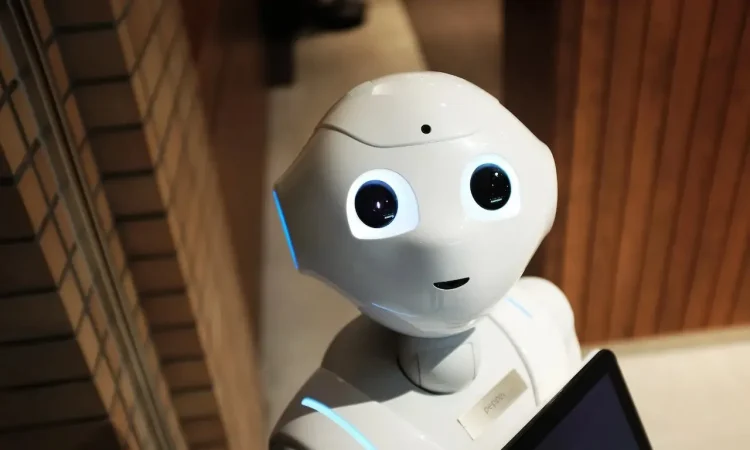
In today’s fast-paced world of technology, two fields stand out for their incredible impact — Artificial Intelligence (AI) and Robotics. While both have evolved independently, their convergence has sparked a revolution that’s changing how we live, work, and interact with machines.
From self-driving cars and automated warehouses to intelligent surgical systems and smart home assistants, the union of AI and robotics represents one of the most fascinating and transformative frontiers in modern science and engineering.
Understanding Artificial Intelligence and Robotics
To truly grasp the bond between these two technologies, let’s first define them clearly.
Artificial Intelligence (AI) is the science of creating machines that can think and learn like humans. It allows computers to reason, solve problems, understand language, and make decisions — all based on data and algorithms.
Robotics, meanwhile, focuses on designing and building physical machines — robots — that perform specific tasks. Early robots were limited to simple, repetitive actions. But with AI integration, robots can now learn from experience, adapt to new environments, and even make independent decisions.
In simple terms, robotics provides the body, and AI gives it the brain. Together, they create intelligent systems capable of sensing, analyzing, and acting — just like living beings.
The Convergence of AI and Robotics
The merging of AI and robotics isn’t just theory — it’s happening all around us. When AI powers robotic systems, machines become more than just tools; they become autonomous, adaptive, and intelligent.
Take the example of an industrial robot arm. Traditionally, it followed strict programming to perform tasks like welding or assembly. Today, with AI integration, it can recognize components, analyze surroundings, adjust in real-time, and even predict maintenance needs before something goes wrong.
This level of intelligence transforms robots from static machines into collaborative partners in manufacturing, logistics, healthcare, and beyond.
The fusion has also led to cognitive robotics — a field where robots can perceive, reason, and make context-aware decisions. This makes it possible for them to work safely alongside humans, even in unpredictable environments.
Key Technologies Driving the Integration
The seamless union of AI and robotics relies on several breakthrough technologies:
- Machine Learning (ML):
Enables robots to learn and improve over time by analyzing data. For example, drones can train on flight data to navigate obstacles more efficiently. - Computer Vision:
Allows robots to “see” using cameras and sensors. This technology powers autonomous cars, security robots, and industrial inspection systems by helping machines recognize objects and understand surroundings. - Natural Language Processing (NLP):
Bridges communication between humans and machines. Robots that use NLP can understand spoken commands, interpret emotions, and respond naturally — just like Alexa or Pepper. - Deep Learning:
Mimics the human brain’s neural networks, enabling robots to handle complex decision-making. It’s vital in robotic surgery, predictive maintenance, and autonomous navigation. - Reinforcement Learning:
Trains robots through trial and error, rewarding successful actions. This approach helps robots learn tasks such as object manipulation or walking without direct programming.
Real-World Applications
The partnership between AI and robotics is reshaping industries and everyday life.
1. Manufacturing and Logistics
AI-powered robots have revolutionized factories and warehouses by enhancing speed, precision, and safety. Systems like Amazon Robotics automate picking, packing, and inventory tracking with minimal human input.
2. Healthcare
In medicine, robots like the da Vinci Surgical System assist doctors with highly precise operations. AI ensures accuracy and reduces human error. Rehabilitation robots also use AI to personalize therapy for patients, helping them recover faster.
3. Autonomous Vehicles
Self-driving cars are a perfect example of AI and robotics in harmony. Using sensors and cameras, these vehicles perceive their environment, predict movements, and make safe driving decisions without human control.
4. Agriculture
AI-driven agricultural robots help farmers monitor crops, analyze soil, and harvest with precision — improving yield and sustainability while minimizing resource use.
5. Defense and Security
AI-enhanced drones and robotic systems are used for surveillance, bomb disposal, and search missions, performing dangerous tasks while keeping humans safe.
6. Service and Domestic Use
From cleaning robots that learn room layouts to personal robots that recognize faces and emotions, AI-powered machines are becoming part of everyday households, offering convenience and comfort.
Challenges and Ethical Considerations
Despite its promise, the AI-robotics revolution comes with challenges.
- Job Displacement: Automation could replace certain human roles, raising economic and social concerns.
- Safety and Accountability: As robots become autonomous, determining who’s responsible for errors or accidents becomes complex.
- Privacy Issues: AI-driven robots collect vast amounts of data, creating privacy risks if not properly managed.
- Ethical Dilemmas: Emotional attachment to humanoid robots or misuse of surveillance technologies pose moral questions that societies must address.
To navigate these challenges, governments and organizations are developing policies to ensure ethical AI deployment, data protection, and human oversight in all robotic systems.
The Future of AI and Robotics
The road ahead for AI and robotics is filled with promise. Emerging technologies like quantum computing, 5G connectivity, and edge AI will make robots faster, smarter, and more efficient.
In the near future, we can expect autonomous service robots in public spaces, AI-powered disaster response teams, and space exploration robots capable of independent scientific missions.
Importantly, the goal isn’t to replace humans but to empower them — allowing people to focus on creativity, empathy, and complex problem-solving while intelligent machines handle routine or risky tasks.
Conclusion
The bond between Artificial Intelligence and Robotics is redefining the future of innovation. Together, they are creating intelligent systems that can learn, adapt, and collaborate with humans like never before.
From factories to hospitals and homes, AI-driven robots are transforming the way we live and work. As this partnership continues to evolve, it promises not just smarter machines — but a smarter, more connected world built on human imagination and technological brilliance.








