
US Judge Gives Preliminary Approval to $1.5 Billion Anthropic Copyright Deal
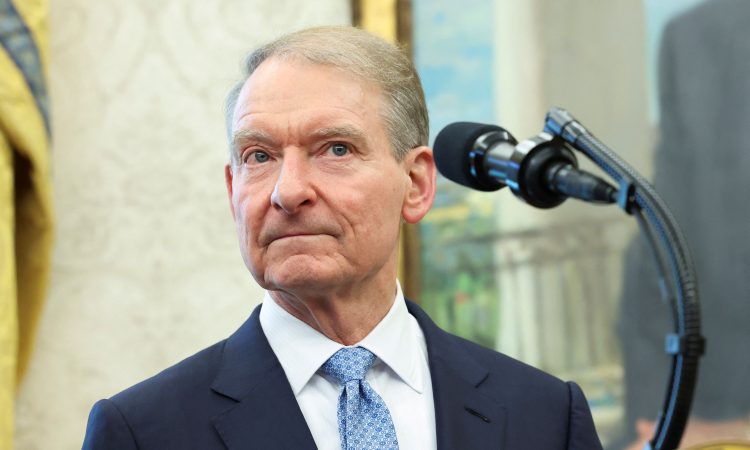
In a groundbreaking decision on September 25, 2025, U.S. District Judge William Alsup issued preliminary approval for a $1.5 billion agreement between artificial intelligence firm Anthropic and a coalition of authors and publishers.
The lawsuit alleged that Anthropic had wrongfully used around 465,000 pirated books to train its AI model, called Claude. This settlement is the first major outcome in a series of similar lawsuits against leading AI developers for their use of copyrighted materials without permission.
Background of the Case
- Authors Andrea Bartz, Charles Graeber, and Kirk Wallace Johnson filed a class-action suit claiming that Anthropic had illegally downloaded and stored millions of pirated books to strengthen its AI technology.
- Previously, Judge Alsup ruled that AI models trained with legally obtained copyrighted material could be fair use.
- However, he allowed claims regarding the unauthorized collection and storage of copyrighted works to proceed.
- The settlement aims to avoid a trial, which was scheduled for December and could have exposed the company to hundreds of billions in damages.
Terms of the Settlement
- If approved, Anthropic would pay approximately $3,000 for each of the 465,000 books, totaling about $1.5 billion.
- Payments will be shared among authors and publishers whose works were infringed.
- The settlement does not cover new works, and authors must opt in to receive compensation.
- The court emphasized a transparent claims process to ensure that all eligible parties are notified and can participate.
Legal and Industry Implications
- The settlement has broad implications for the legal and AI industries.
- It establishes a precedent for holding AI developers accountable for unauthorized use of copyrighted content.
- This may influence future lawsuits involving other companies, including OpenAI, Microsoft, and Meta.
- Organizations like the Authors Guild and the Association of American Publishers praised the settlement as a milestone in protecting authors’ rights.
Anthropic’s response:
- The company is reportedly pleased with the outcome and intends to focus on developing safe and beneficial AI models.
- No admission of wrongdoing was made, but the settlement avoids further litigation.
Next Steps
- The settlement is pending final approval by Judge Alsup.
- Authors and publishers will be notified and given an opportunity to file claims.
- The court has established deadlines to ensure that all eligible parties are informed.
- Once finalized, the settlement will represent a significant resolution in the debate over the use of copyrighted material for AI training.
Key takeaway:
This case highlights the balance between technological advancement and intellectual property protection, serving as a cautionary example for AI developers navigating copyright concerns.
Conclusion
The preliminary approval of the $1.5 billion settlement between Anthropic and authors is a milestone at the intersection of AI and copyright law.
- It underscores the growing importance of protecting intellectual property in the digital age.
- Sets a potential blueprint for future cases where AI development may infringe on copyrighted works.
- While final approval is pending, this case is already generating industry-wide attention and may influence how AI companies approach content usage and copyright compliance in the future.








