
Amazon’s Artificial Intelligence Eyeballs: Shopping in a Virtual World
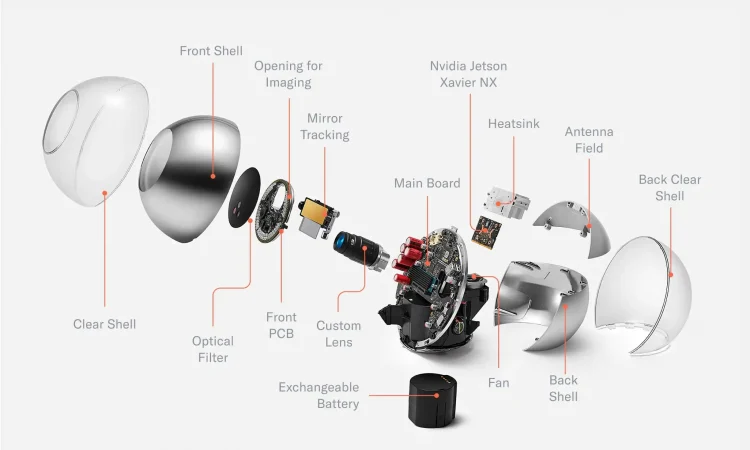
In the ceaseless quest to find new ways to make people shop, Amazon has opened yet another frontier in the field of artificial intelligence — AI that shops (semi) for you, in the form of “AI eyeballs.” The new feature enables users to point their smartphone camera at an object in the physical world and then shop for that on Amazon. This is similar to the idea behind Google Lens, but the difference is that it is all about one thing: Amazon shopping.
This comes as a major push by the online retailer to mainstream AI in shopping habits. For years, Amazon has reigned over e-commerce with its one-click shopping, personalized recommendations, and Prime’s quick delivery times. But visual shopping is another kind of gamble: in real time, it combines the physical and digital realms.
How the AI Eyeballs Work
At its essence, the feature is straightforward. Users:
- Open the Amazon app.
- Aim their phone camera at something (a friend’s new shoes, lounge furniture in a café, or a jar of coffee beans in someone’s kitchen).
- Let the AI identify it.
Within seconds, the app brings up Amazon listings for the same product or similar items.
Behind the scenes, the technology is driven by computer vision and machine learning models trained on millions of product images in Amazon’s massive catalog. By examining shape, texture, patterns, and even context, the AI eyeballs can make educated guesses and provide purchase options.
Amazon says the AI will also:
- Suggest alternatives.
- Recommend complementary items.
- Flag deals.
For example, if you scan a sofa in a furniture store, the app won’t just find that model online; it may also pull up cheaper lookalikes or matching side tables.
Google Lens vs. Amazon’s Vision
For many, the feature will feel familiar. Google Lens has been around for years, helping users identify plants, landmarks, and products. But while Google Lens spans education, travel, and general discovery, Amazon’s tool is unapologetically commercial.
In Amazon’s world, everything is a potential object for shopping:
- That lamp in your hotel room? Buy it.
- The sunglasses a stranger is wearing on the street? Add them to your cart.
The AI eyeballs are less about curiosity and more about conversion — transforming brief moments of interest into immediate sales.
By stripping away non-shopping features, Amazon positions its app as the ultimate impulse-buy buddy: See it, scan it, buy it.
Why Now?
The timing is strategic.
- E-commerce maturity: Convenience alone is no longer enough to keep consumers loyal. With Walmart and Target upgrading their digital offerings, Amazon needs new hooks.
- AI tipping point: Tools like ChatGPT and AI photo editors have made consumers more open to experimenting with AI. Integrating visual search into Amazon’s familiar app lowers the barrier to adoption.
- Social shopping trends: Platforms like TikTok and Instagram have blurred the line between discovery and purchase. With “AI eyeballs,” Amazon ensures it stays competitive in a world of viral trends and instant gratification.
Potential Benefits for Shoppers
The biggest benefit is reduced friction in shopping.
- No more guessing product names.
- No more typing vague search terms.
- Instant access to listings, price comparisons, and delivery times.
Example: Spot a stranger’s backpack on your commute. Instead of awkwardly asking the brand name, a quick scan reveals multiple listings.
The technology also democratizes product discovery. Smaller brands with limited marketing budgets can still reach shoppers if the AI identifies their products as matches. Consumers gain greater choice and potential bargains.
Challenges and Limitations
Despite the promise, challenges remain:
- Accuracy: Recognition struggles with generic or unbranded items. A plain white T-shirt might generate dozens of results but no exact match.
- Privacy: Scanning in public could capture faces, license plates, or private scenes. Amazon must prove images are handled responsibly.
- Trust: Shoppers may question whether recommendations are truly the best or simply promoted. Transparency in ranking algorithms will be essential.
Impact on Retail and Competition
The arrival of AI eyeballs could reshape retail:
- Brick-and-mortar risks: Customers may scan items in physical stores but buy online for less — a practice known as showrooming.
- Potential upside: Stores partnering with Amazon might gain visibility and sales.
Competition will intensify:
- Google may expand its Lens shopping integrations.
- TikTok and Pinterest, already testing visual search, could accelerate launches.
- The race is clear: whoever makes it easiest to turn a glance into a purchase will win.
AI and the Future Shopping Experience
Amazon’s AI eyeballs may evolve in exciting directions:
- Augmented Reality (AR): Visualize products in your home before buying. Example: scan a showroom dining table and preview it in your living room via your phone’s camera.
- Voice Integration: Alexa could become a conversational shopping partner — “Alexa, show me the lamp I just scanned but in black.”
- Wearables: With smart glasses, scanning could move beyond smartphones. Imagine instant buying options projected directly into your line of vision.
The Bottom Line
Amazon’s AI eyeballs aren’t just another app feature. They signal a broader shift in how we shop by merging artificial intelligence with visual discovery.
Success will depend on:
- Technical accuracy.
- Privacy safeguards.
- Consumer trust.
But one fact is clear: once again, Amazon has positioned itself at the center of a retail innovation that could redefine shopping both online and offline.
If one-click buying collapsed the gap between wanting and buying, visual AI shrinks it even further. Today, the distance between seeing something and owning it may be nothing more than a camera scan.








