
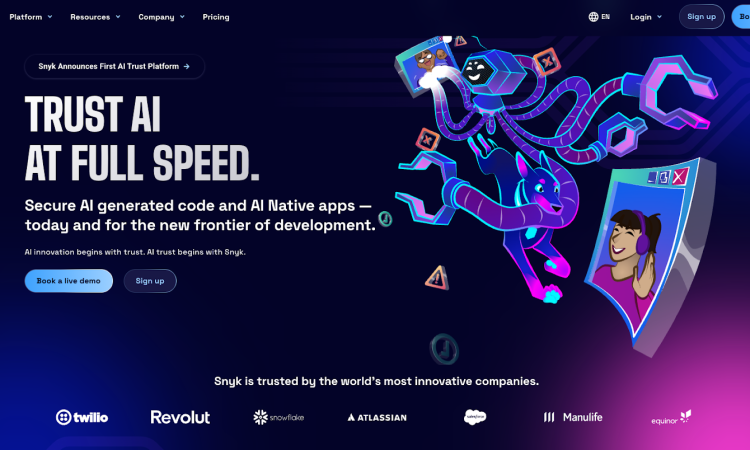
Artificial intelligence (AI) has long moved beyond the experimental stage in technology, fundamentally transforming how software engineers design, build, and maintain applications. Once seen as a futuristic concept, AI is now a practical and essential part of the software development lifecycle. In 2025, AI tools are no longer optional—they are central to boosting productivity, improving code quality, and speeding up delivery. But what exactly is trending in AI tools for software engineering today?
The Rise of AI-Enhanced Code Generation
One of the most exciting trends in software engineering is AI-assisted code generation. Advanced language models now allow developers to produce high-quality code using simple natural language prompts. Developers can describe a feature in plain English, and AI generates the corresponding code in the chosen programming language.
For example, a developer building a web application can describe a login system, and the AI tool will produce a ready-to-use implementation, complete with error handling, validation, and database integration. This reduces time spent on repetitive code, freeing engineers to focus on more creative problem-solving tasks.
AI coding assistants are also evolving to provide real-time feedback on code quality, analyzing syntax, potential runtime errors, and performance bottlenecks. Think of them as intelligent pair-programmers guiding developers toward cleaner, more efficient code.
Smarter Debugging and Testing
Debugging is a necessary but time-consuming part of software development. AI is changing this by using machine learning to spot patterns in code that often lead to bugs or failures. Some platforms can analyze an entire codebase, highlighting areas that may cause runtime errors, security vulnerabilities, or integration issues.
AI also enhances automated testing. Traditional testing frameworks require developers to manually write extensive test cases, which can be tedious. AI-driven tools can automatically generate test cases, simulate user interactions, and suggest improvements based on test outcomes. Catching bugs early not only improves software reliability but also saves valuable development hours.
Intelligent DevOps and Deployment Automation
AI is making a significant impact in DevOps, the practice of automating software deployment and operations. AI-powered DevOps platforms can:
- Monitor server performance
- Predict system failures
- Recommend optimal deployment strategies
Some tools even suggest code optimizations to reduce server load, improve scalability, and increase application resilience.
In CI/CD pipelines, AI streamlines workflows by automatically detecting dependencies that could break during deployment or flagging configuration changes that might cause downtime. This level of automation speeds up release cycles while reducing human errors, making software delivery more reliable than ever.
AI in Code Review and Collaboration
Software development is rarely a solo effort. Teams must review each other’s work and ensure consistent quality. AI tools are increasingly integrated into code review processes, scanning pull requests and providing improvement suggestions. This reduces the burden on senior developers and ensures high-quality output across the team.
AI-powered collaboration platforms can also:
- Track codebase evolution
- Detect inconsistencies across modules
- Suggest refactoring strategies
These features help teams work more cohesively, even across different locations, keeping large-scale projects maintainable and efficient.
Low-Code and No-Code AI Platforms
Another trend reshaping software engineering is the rise of low-code and no-code AI platforms. These tools allow developers—and even non-technical stakeholders—to build applications with minimal coding knowledge. By combining drag-and-drop interfaces with AI-driven logic, they speed up development and democratize software creation.
For engineers, low-code platforms are perfect for rapid prototyping. Developers can quickly build working models, test them, and iterate based on feedback, allowing teams to focus on refining functionality rather than starting from scratch.
The Ethical Dimension and AI Governance
As AI becomes deeply integrated into software engineering, ethical considerations are crucial. Developers must ensure AI-generated code complies with privacy regulations, security best practices, and inclusivity standards. Some AI tools now include governance frameworks to flag potentially harmful patterns or bias in code, helping teams maintain ethical standards without slowing development.
Responsible AI adoption not only ensures compliance but also builds trust in AI-assisted software development. Organizations that use AI ethically can gain a competitive edge, delivering software that is both innovative and accountable.
Looking Ahead: The Future of AI in Software Engineering
Current trends indicate that AI will continue to reshape software engineering. Future tools are likely to become even more predictive, learning from a developer’s habits and suggesting improvements before problems occur. Integration with natural language interfaces will make AI assistants more intuitive, enabling developers to interact with codebases as if they were collaborating with a human colleague.
As AI better understands business logic and user intent, software development may shift from purely technical work to more strategic roles. Engineers could focus on designing solutions while AI handles implementation details, making the profession more creative and impactful.
Conclusion
AI tools are no longer optional—they are essential in every aspect of software development. From code generation and debugging to DevOps automation, code review, and low-code platforms, AI helps developers write better software faster, safer, and more efficiently.
As these trends evolve, engineers who embrace AI will not only keep up with industry demands but also redefine how software is built. Balancing human expertise with AI capabilities ensures innovation, quality, and ethical standards move forward together. In 2025, software engineering is undeniably AI-powered, promising a future that is faster, smarter, and more collaborative than ever before.








