
California Raises Fines to $250,000 for AI-Generated Fake Nude Images to Protect Kids
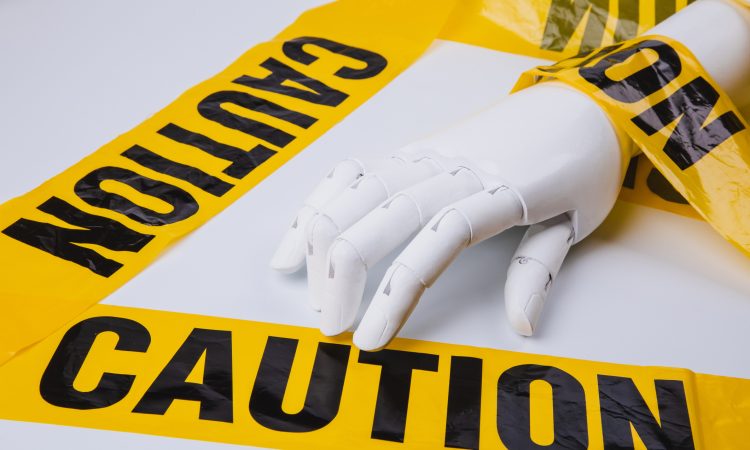
In a landmark move to protect children from the growing misuse of artificial intelligence, California has passed a law that imposes fines of up to $250,000 for creating or distributing AI-generated fake nude images of minors. Governor Gavin Newsom signed the legislation this week, sending a clear message that child safety is a top priority as AI technologies rapidly evolve.
This new law is among the first in the U.S. to specifically address the risks posed by AI-driven “deepfakes.” Deepfakes are AI-generated images or videos that appear real but are entirely fabricated. While AI can create impressive content for entertainment, education, and research, it can also be misused to exploit or harass minors.
Why California Took Action
The push for stricter penalties came after several high-profile incidents involving minors exposed to harmful AI-generated content. Experts have long warned that deepfakes can create sexually explicit images of children without their knowledge or consent. These images can cause emotional trauma, social stigma, and, in some cases, severe mental health issues.
Lawmakers noted that existing child pornography laws didn’t fully address synthetic media, which can bypass certain legal definitions. By introducing fines of up to $250,000, California aims to deter offenders and make it clear that exploiting children with AI-generated content will not be tolerated.
Key Provisions of the Law
The legislation contains several important measures to protect minors and ensure responsible AI use:
- Hefty Penalties for Offenders: Anyone found creating or distributing AI-generated fake nude images of minors can face fines up to $250,000. Repeat offenders may face even higher penalties.
- Mandatory Age Verification: AI platforms must implement robust age verification systems to prevent minors from accessing harmful content.
- AI Transparency Requirements: Platforms are required to clearly disclose when users are interacting with an AI system, reducing the risk of deception and manipulation.
- Crisis Response and Monitoring: Platforms must have protocols to quickly identify and respond to content that promotes self-harm, harassment, or other dangerous behaviors.
Together, these measures balance innovation with safety, holding creators and operators accountable while still allowing AI to be used responsibly.
Broader Implications for AI Regulation
California’s law may set a precedent for other states and influence federal discussions on AI oversight. While the federal government has generally favored voluntary guidelines, California’s strict approach highlights the need for enforceable protections—especially for children.
Child advocacy groups have praised the legislation as a critical step in safeguarding minors from rapidly evolving technologies. Ethical experts suggest that this law could serve as a model for nationwide policies governing AI, particularly regarding sensitive content.
At the same time, some technology leaders worry that overly strict regulations might slow innovation or create compliance challenges for smaller companies. Balancing child protection with technological progress remains a central challenge.
Challenges Ahead
Implementing and enforcing the law will not be easy. Detecting AI-generated images is technically complex, as deepfakes can be difficult to distinguish from real content. Enforcement will likely require collaboration between state authorities, tech platforms, and third-party monitoring organizations.
The global nature of AI adds another layer of complexity. Platforms operating outside California could host harmful content, making enforcement challenging. Experts recommend interstate and international coordination to ensure compliance and effective protection for minors.
Moving Toward Responsible AI Use
California’s legislation sparks a broader conversation about ethical AI. As AI becomes part of everyday life—from chatbots to image generators and automated decision-making tools—society faces an important question: how can we innovate safely while protecting vulnerable populations?
By prioritizing child safety, California sends a clear message: technology should not come at the expense of human well-being. The law encourages developers and platforms to integrate ethical safeguards into AI design and deployment.
Experts believe these measures also build public trust in AI. With transparent policies and clear consequences, families, educators, and users can feel more confident that AI tools are used safely and responsibly.
Conclusion
California’s decision to raise fines to $250,000 for AI-generated fake nude images is a decisive step to protect children from emerging digital threats. While implementation will be challenging, the law demonstrates a proactive approach to governance in an era of rapidly advancing technology.
As AI continues to evolve, lawmakers, developers, and society must remain vigilant. California’s legislation may become a blueprint for comprehensive AI regulation, emphasizing that the safety of vulnerable users—especially children—must come first.
The passage of this law is a clear reminder: as technology grows, so must our responsibility to ensure safety, accountability, and ethical use. By taking this step, California positions itself as a national leader in protecting children while fostering responsible AI innovation.








