
‘Perfection without the Connection’: How AI Is Becoming a Digital Wingman
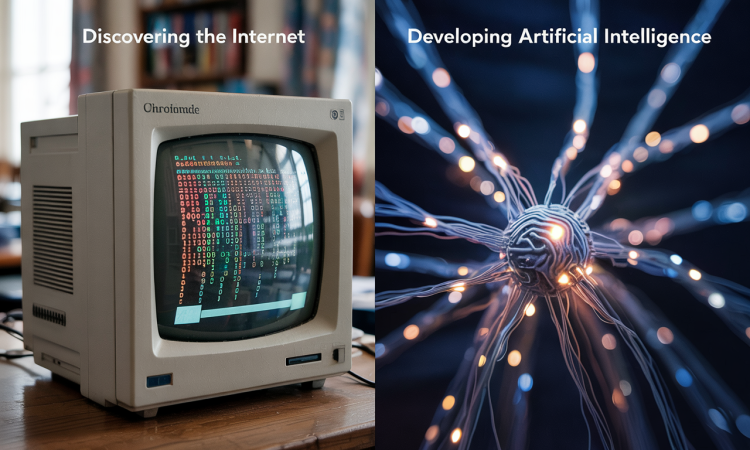
In today’s world, where technology increasingly shapes how we interact, artificial intelligence (AI) is stepping into a role many didn’t expect: the digital wingman. Once limited to simple tasks or data analysis, AI is now helping people navigate one of life’s most intricate arenas—human relationships. From crafting the perfect opening text to offering conversation tips, AI promises to enhance social experiences—but it also raises questions about authenticity, connection, and the human touch.
The Rise of the Digital Wingman
The idea of a wingman—a trusted companion in social or romantic encounters—is familiar. Traditionally, a wingman offered advice, moral support, or even started conversations to ease tension. Today, AI is taking on some of these roles, providing digital guidance in ways unimaginable a decade ago.
Modern AI platforms can:
- Analyze language patterns
- Assess emotional tone
- Generate messages designed to engage
Users can rely on AI to suggest clever icebreakers, optimize dating profiles, or respond to messages in real time. The appeal is clear: AI helps navigate social landscapes with precision, reducing uncertainty and anxiety in personal interactions.
A notable example comes from dating apps, where AI-powered chat assistants help users:
- Craft engaging opening lines
- Refine their profiles
- Respond to matches effectively
Users report that AI tools can dramatically increase their success rates, offering a sense of control in an often unpredictable social arena.
Perfection at a Cost
While AI can craft grammatically perfect, witty, and timely messages, it cannot create genuine emotional connection. Its strengths—precision, optimization, and objectivity—also highlight its limitations. AI-guided conversations may lack the nuance, spontaneity, and vulnerability that make human interactions meaningful.
Experts warn that relying too heavily on AI could result in “perfection without connection.” Interactions may appear flawless but lack depth, empathy, and real understanding. This can create a cycle where individuals increasingly depend on AI for social success, potentially weakening their ability to navigate relationships independently.
Dr. Emma Leighton, a social psychologist, notes:
“AI can help reduce social anxiety and improve communication, but it cannot replicate the subtleties of human connection. People may succeed in interactions but miss the emotional fulfillment that comes from genuine engagement.”
Bridging the Confidence Gap
Many users, however, view AI as a confidence booster rather than a crutch. For those who struggle with social anxiety or shyness, AI-generated prompts can reduce pressure and make initiating conversations less daunting. In this role, AI acts as a supportive tool—a digital wingman helping people overcome social fears.
For instance, someone nervous about asking a colleague out for coffee can use AI to draft a friendly, natural-sounding message. By reducing fear of rejection, AI can empower individuals to take risks they might have avoided, gradually building confidence for more authentic, independent interactions.
The Ethical and Emotional Implications
As AI becomes more embedded in social life, ethical questions arise:
- How genuine are AI-assisted interactions?
- Is it fair if the other person doesn’t know AI is involved?
- What are the long-term psychological effects of relying on AI for social connection?
Critics warn that overuse of AI in social interactions could erode empathy. People might start viewing communication as transactional rather than an organic emotional exchange.
On the other hand, AI could democratize social interaction. For those facing communication barriers—due to neurodivergence, anxiety, or language differences—AI can level the playing field, providing access to social opportunities that might otherwise be missed. In this way, AI acts as a bridge toward connection, not a replacement for it.
The Future of AI in Social Life
Looking ahead, AI’s role as a digital wingman is likely to grow. Advances in natural language processing, sentiment analysis, and contextual understanding will make AI interactions more nuanced. Some envision AI that can read emotional cues in real time, offering conversational adjustments or empathetic responses during live interactions.
Experts emphasize that AI should enhance—not replace—human skill. Dr. Leighton says:
“The goal is to use AI to improve human connection, not substitute it. Its value lies in helping people become more comfortable, expressive, and empathetic.”
Finding Balance
The challenge is balancing efficiency with authenticity. Using AI to refine messages, manage anxiety, or provide guidance is beneficial—but it must be paired with genuine effort, empathy, and vulnerability. True connection doesn’t come from perfect phrasing; it comes from shared experiences, understanding, and emotional openness.
As AI becomes more common in social interactions, awareness of its limitations is key. Technology can enhance our ability to connect but cannot replace the messy, imperfect human elements that make relationships meaningful. The digital wingman works best when it empowers us, not when it substitutes for the connections we seek.
Conclusion
AI as a digital wingman offers both promise and pitfalls. It provides unparalleled support, reducing anxiety and boosting confidence—but risks creating interactions that feel perfect yet emotionally hollow.
The future of AI-assisted socialization depends on how people use the technology: as a tool for growth and empowerment or as a replacement for authentic connection. In a world increasingly mediated by algorithms, finding balance is crucial. Perfection without connection may impress, but it is connection that brings depth, meaning, and fulfillment to life.








