
Smarter, Greener, More Connected — Construction Tech Firms Showcase AI and Digital Twins at Global BIM Conference
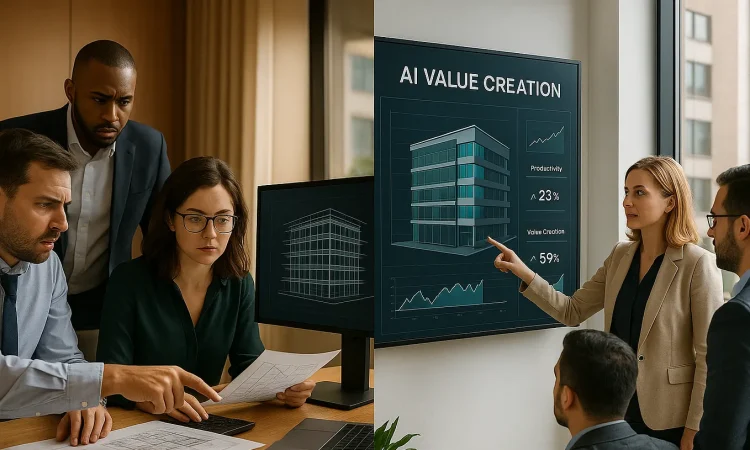
Global construction is undergoing a technological transformation, and this year’s International Building Information Modeling (BIM) Conference showcased it in full force. Held in a sprawling convention center buzzing with industry leaders, innovators, and tech enthusiasts, the event offered a deep dive into how artificial intelligence (AI) and digital twin technology are reshaping the construction landscape.
From smarter project management to greener building practices, the conference highlighted how technology and sustainability are converging—promising to redefine how buildings are designed, constructed, and maintained.
AI and Automation: The New Standard in Construction
Artificial intelligence is becoming a cornerstone of modern construction workflows. At the conference, leading tech firms showcased AI solutions that go beyond traditional design and project management, providing predictive insights into:
- Scheduling
- Cost estimation
- Safety management
A standout demonstration involved an AI platform analyzing sensor data from an active construction site. The system could predict potential delays due to weather, supply chain issues, or equipment failure—allowing project managers to adjust timelines, allocate resources efficiently, and reduce costly downtime.
AI is also transforming construction site safety. Smart cameras and sensor networks can monitor worker movements in real-time, flag hazardous behaviors, and alert supervisors before accidents occur. This proactive approach represents a major leap from reactive safety measures.
Digital Twins: Virtual Blueprints for Real-World Efficiency
Alongside AI, digital twin technology stole the spotlight. Digital twins are precise virtual replicas of physical structures, continuously updated with data from sensors, drones, and IoT devices.
At the conference, several firms demonstrated how these models enable architects, engineers, and contractors to simulate every aspect of a building’s lifecycle before construction even begins.
For instance, a skyscraper project in Southeast Asia used a digital twin to simulate:
- Structural loads
- HVAC efficiency
- Pedestrian flow
This approach helped identify design inefficiencies in real-time, leading to faster decision-making, reduced waste, and better project quality.
Digital twins also play a crucial role in sustainability. By simulating energy usage, water consumption, and material efficiency, building owners can implement green practices that reduce environmental impact. Case studies presented at the conference showed:
- Up to 20% reductions in energy consumption
- Significant cost savings through optimized resource allocation
Sustainability Meets Technology
Sustainability was a central theme of the conference. With climate concerns rising, construction companies are under pressure to reduce their carbon footprint—and technology is providing practical solutions.
AI-driven design tools help optimize:
- Building orientation
- Material selection
- Energy systems
Meanwhile, digital twins enable continuous monitoring of environmental performance, ensuring sustainability is embedded throughout the building’s lifecycle.
One highlighted collaboration between a global construction firm and a tech startup developed a digital twin that:
- Simulated environmental impact of building materials
- Helped designers select low-carbon options
- Projected energy performance over the next 50 years
This combination of design and operational intelligence makes long-term sustainability actionable and measurable.
Collaboration in the Connected Construction Ecosystem
The conference also emphasized the importance of collaboration in modern construction. AI and digital twins are most effective when integrated across:
- Teams
- Disciplines
- Project stages
Cloud-based platforms, real-time data sharing, and interoperable software facilitate smooth collaboration among architects, engineers, contractors, and building owners.
A panel discussion titled “Connected Construction: The Future of Integrated Workflows” highlighted how digital twins can serve as a central hub for all stakeholders, reducing errors, improving transparency, and fostering a culture of data-driven decision-making.
The Human Factor: Training and Adoption
While AI and digital twins offer enormous potential, human expertise remains essential. Speakers emphasized that technology is only as effective as the professionals using it.
Several tech firms introduced training programs for engineers, project managers, and architects, including:
- Hands-on workshops
- Simulation exercises
- Online learning modules
These initiatives help bridge the gap between traditional construction knowledge and emerging digital skills, ensuring innovation translates into tangible results on-site.
Looking Ahead: Smarter, Greener, and More Connected
As the conference concluded, one message was clear: the future of construction is smarter, greener, and more connected.
For different stakeholders, this translates to:
- Project managers: Better control over timelines, budgets, and quality
- Sustainability advocates: Pathways to significantly reduce environmental impact
- Workers: Safer, more efficient job sites
- Industry at large: Fully integrated, data-driven construction ecosystems
The societal implications are equally compelling. By reducing waste, optimizing resource use, and improving building performance, AI and digital twins contribute to:
- Climate change mitigation
- More resilient urban infrastructure
- Adaptive and sustainable cities
As one keynote speaker summarized:
“We are not just building structures; we are building intelligence into every brick, beam, and blueprint. The convergence of AI and digital twins allows us to imagine a construction industry that is safer, cleaner, and more connected than ever before.”
With technology and collaboration at the forefront, the construction industry is stepping into an era defined by smarter decisions, greener practices, and unprecedented teamwork.








