
HMD’s New Phone Uses AI to Say No to Nudes: The Fuse Puts Child Safety First
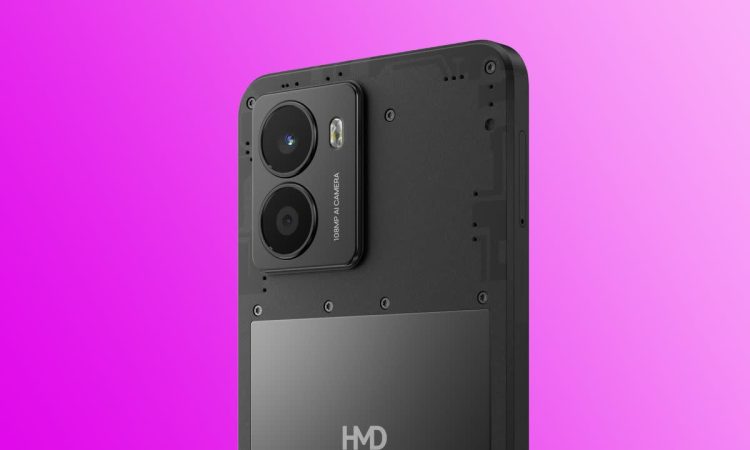
HMD Global, the company behind the Nokia smartphone brand, has announced its new HMD Fuse handset – a device which could lead conversations and attitudes surrounding technology, safety, and parenting.
The standout feature? A pre-loaded AI-powered facility that senses and blocks nude or obscene content received or accessed on the smartphone; such content is never transmitted from the device.
The announcement has stirred up a wave of interest — about how this technology works, why it is important, and what it might signal about the future of child safety in the age of smartphones.
HMD’s Quest: The Problem HMD Is Trying to Solve
For years, experts, schools, and parents have lamented the fact that children are increasingly coming across explicit content on the web. With smartphones, it has never been easier for young people not only to discover adult content but also to create and share it themselves.
One worrying phenomenon is the alarming increase of so-called “sexting” with teen and pre-teen children. Research has found that children as young as 11 can be pressured to take or share naked images, often with encouragement from friends or online contacts. The results have been extreme and damaging, ranging from name-calling and bullying to long-term psychological harm.
Lawmakers and advocacy groups have been pressuring technology companies to better address the issue. While many platforms have already implemented AI filters to identify and prevent explicit content on social media, few smartphone manufacturers have sought to integrate such protections directly into the device.
That’s the divide HMD says it wants to address with the Fuse.
How the AI Feature Works
The Fuse is equipped with an AI system that can detect explicit images and quickly flag or block them. According to HMD, the device is capable of the following:
- Stop nude photos: If a user attempts to take a photo that the AI judges to be explicit, the camera will not capture the shot.
- Prevent explicit content being sent: If an explicit image does make it onto the device, the operating system intervenes before it can be sent via chat apps, email, or social platforms.
- Filter what comes in: The AI screens received content, blocking unsolicited photos from appearing on the device.
This triple-screening protection system is meant to tackle both sides of the problem—keeping kids from creating risky content themselves, and protecting them from harmful content shared by others.
Unlike some parental control apps that can be circumvented or removed, HMD says these protections are deeply integrated into the phone’s operating system, making them harder for a child to disable without parental consent.
Balancing Safety and Privacy
Privacy remains a concern with AI-based monitoring features. Parents may want to protect their children, but there are also fears of surveillance technologies misusing sensitive data.
HMD has been keen to highlight that the Fuse’s AI operates on-device, not in the cloud. This means processing takes place locally, and content is not uploaded to external servers for review. By keeping data on the device, HMD hopes to reassure users that sensitive information will not be leaked or exploited.
The company also emphasizes that the AI does not store blocked images. Instead, it issues an explanatory message stating why the image could not be taken, sent, or received. In this way, HMD says, kids won’t feel “ashamed or punished about an automatic log of attempts,” while their privacy remains intact.
Why This Matters for Parents
For parents, the Fuse could be a new ally in the ongoing struggle of raising kids in a digital-first world. While traditional parental control apps can limit access to websites and apps, controlling the camera, messaging, or peer-to-peer sharing is far more challenging.
The Fuse may give parents peace of mind by reducing the risk of accidental or pressured exposure to harmful images, allowing them to provide their children with the benefits of a smartphone without constant fear.
At the same time, the technology aspires to empower children by setting healthy boundaries. Instead of relying on parents to monitor every move, the phone itself provides a safeguard, encouraging safer behavior and greater independence.
Potential Criticisms and Concerns
While praised by many, the Fuse has also sparked debate. Critics highlight several potential issues:
- False positives and negatives: No AI is perfect. Innocent photos could be blocked, while some inappropriate ones might still slip through.
- Teen pushback: Teenagers may view the restrictions as overly controlling and attempt to circumvent them.
- Cultural and legal issues: Definitions of “explicit” content vary across countries, making it difficult to design AI that works globally while respecting cultural differences.
- Slippery slope to surveillance: Privacy advocates worry that embedding AI monitoring at the device level could pave the way for more intrusive forms of digital surveillance in the future.
Despite these concerns, many child safety experts view the Fuse as a positive step, particularly for younger children who may not yet understand the dangers they face online.
A Trend Toward Safer Tech Is Emerging
The Fuse reflects a broader trend: technology companies are under increasing pressure to prioritize safety and well-being, especially for young audiences.
- Social media platforms have rolled out more parental tools.
- Browsers have enhanced child-friendly modes.
- App developers have added features to restrict inappropriate content.
What sets HMD apart is its choice to address the problem at the device level rather than just through software or apps.
According to HMD’s leadership, embedding AI safety into the phone’s core functionality makes the Fuse “more than just a smartphone, but a statement about what responsible technology should be.”
Market Impact and Next Steps
The Fuse is expected to attract interest from families, schools, and child safety organizations. HMD has not confirmed whether the feature will expand to other devices, but analysts predict that if the Fuse is successful, competitors will feel pressure to adopt similar safeguards.
There is also speculation about pricing. With its specialized AI features, the Fuse could be more expensive, but HMD has promised that the device will be “affordable” to both families and schools.
The Bigger Picture
Technological advances always carry dual risks and opportunities. The HMD Fuse is an attempt to rebalance this equation, particularly for children—the most vulnerable group in today’s digital landscape.
By embedding AI into the heart of the device, HMD is making a bold bet that smartphones can become safer companions rather than harmful tools. Whether the Fuse will fully live up to its promise is yet to be seen, but it has already sparked a critical conversation about the role manufacturers can play in protecting kids online.
As the digital age reshapes parenting, one thing is certain: the debate about how to keep children safe from harmful online forces is not going away. With the Fuse, HMD has issued a challenge to the wider tech industry: child safety must no longer be an afterthought.








