
What the World Can Learn from 2025’s Most Impactful News Stories
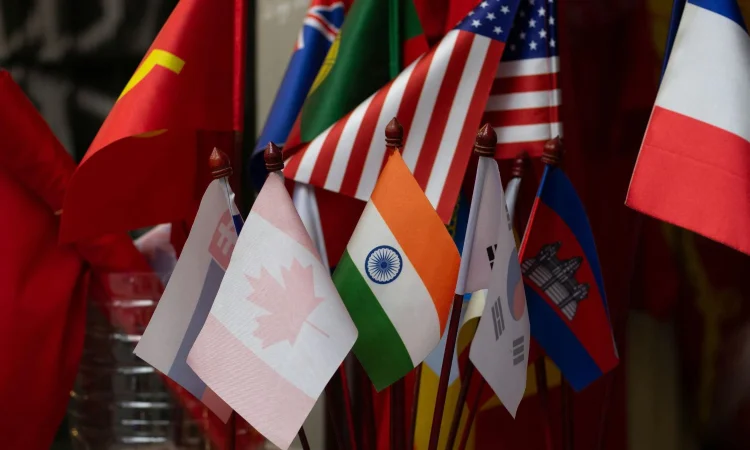
The year 2025 has been a whirlwind of change — a year that reshaped economies, tested governments, and sparked tough conversations about technology, ethics, and the environment. From breakthroughs in artificial intelligence to the realities of climate adaptation and digital privacy, the stories that defined this year reveal both the complexity and resilience of our world.
But beyond the headlines, there’s something deeper — lessons about who we are and where we’re heading. As we approach the end of 2025, it’s time to reflect on what these defining moments have taught us.
1. The AI Reckoning: Balancing Innovation with Humanity
Artificial intelligence dominated 2025’s global conversation. Once confined to labs, AI now writes legislation drafts, creates films, and powers industries. Yet, it also raises unsettling questions.
The controversy around AI-generated videos of deceased celebrities triggered fierce debates about ethics, consent, and digital resurrection. Families and artists demanded clearer rules to protect the dignity of the digitally recreated.
The takeaway? Progress without ethics is dangerous. As AI grows stronger, societies must prioritize human oversight, responsibility, and moral restraint. The big question isn’t whether AI can do something — it’s whether it should.
2. Climate Adaptation Becomes Reality
The world’s focus on climate change took a major turn in 2025 — from awareness to action. Instead of only trying to prevent change, nations began adapting to it.
Examples include:
- Floating neighborhoods in the Netherlands
- Massive reforestation projects in India
- Drought-resistant crops across sub-Saharan Africa
Extreme heatwaves in Europe and floods in Asia showed the cost of delay, but they also inspired resilience.
The message is clear: the climate battle is no longer just about cutting emissions — it’s about learning to live smarter, designing better cities, and empowering local communities to adapt.
3. Digital Sovereignty and the New Data Divide
In 2025, the European Union made headlines for pushing hard on digital sovereignty — ensuring that citizens’ data stays protected within its borders.
This move inspired others:
- Brazil began building a TikTok data center to keep user data local.
- India and Japan expanded digital security partnerships to protect against foreign control.
In today’s hyperconnected world, sovereignty is no longer about geography — it’s about data. As more nations seek control over their digital assets, cooperation will be vital to prevent global fragmentation.
4. The Return of Economic Confidence — and Its Risks
After years of uncertainty, 2025 brought signs of economic stability. London’s financial sector thrived as AI and fintech jobs surged, while Samsung in South Korea hit record profits, thanks to skyrocketing AI chip demand.
But behind the optimism lurks a warning. Automation is replacing jobs faster than workers can retrain. Global supply chains remain vulnerable, especially in semiconductors.
Lesson learned: True recovery requires inclusion. Economies that grow at the expense of workers risk long-term instability.
5. Personal Safety and the Fear Within
Not all defining moments this year were about technology or economics. In India, actress Sangeeta Bijlani applied for a firearm license after a burglary at her farmhouse — sparking a nationwide discussion about personal safety and women’s security.
Her story resonated deeply, exposing a growing sense of vulnerability even in an age of advanced surveillance.
The takeaway: Safety isn’t just about protection—it’s about trust. Building safer communities means addressing fear, inequality, and empathy at the social level, not just adding more security cameras.
6. Activism in the Digital Age: The Power of the Public Voice
From climate protests to online truth campaigns, 2025 proved that activism is evolving. People are organizing both in the streets and on screens.
Social media, once blamed for polarization, is now being reclaimed for unity and truth. In countries with restricted press freedom, it has become a vital tool for transparency.
The core message: Democracy thrives when people speak up. Even in a world of algorithms, the human voice still matters — perhaps more than ever.
7. Lessons in Resilience: The Human Spirit Never Breaks
Through all the upheaval, 2025 reminded us of one timeless truth — humanity endures.
Across continents:
- Healthcare workers in Africa created new community vaccination systems.
- Teachers in war-torn areas used AI-powered learning tools to keep education alive.
- Artists, scientists, and journalists continued collaborating despite borders and politics.
These stories highlight how compassion and creativity remain our greatest strengths, no matter how advanced technology becomes.
8. A Year of Hard Questions — and Even Harder Answers
2025 forced society to look inward and ask:
- How do we protect privacy in an always-connected world?
- How do we grow economies without deepening inequality?
- How do we use technology without losing our humanity?
The biggest stories of the year weren’t just about events — they were about choices. And they reminded us that progress and risk walk hand in hand.
If there’s one grand lesson from this year, it’s that every global challenge is interconnected. Technology, climate, politics, and culture are all threads in the same fabric — and pulling one affects them all.
Conclusion: The Road Ahead
As 2025 draws to a close, humanity stands at a turning point filled with both anxiety and opportunity. The events of this year—AI breakthroughs, climate struggles, digital revolutions—aren’t isolated; they’re part of a shared global story.
The challenge now is to move forward with purpose. Whether it’s developing ethical AI, designing sustainable cities, or ensuring fair economies, the lessons of 2025 call for courage, empathy, and foresight.
The year may be ending, but its message endures:
Progress without purpose is directionless. The future belongs to those who learn, adapt, and lead with humanity.








