
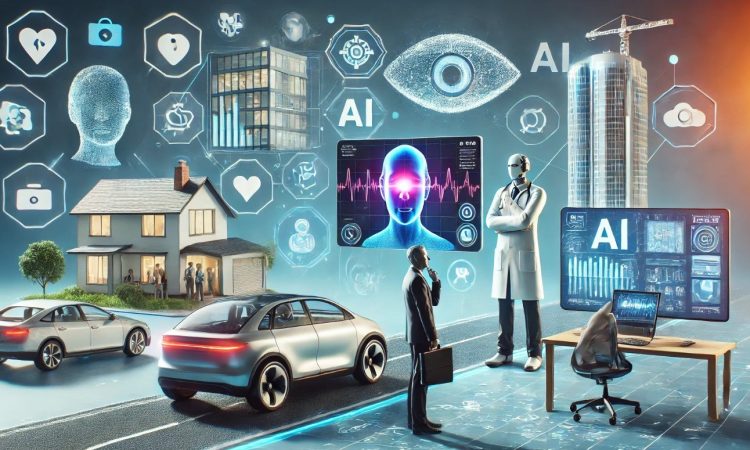
Artificial intelligence has long been portrayed as a futuristic technology—something belonging to science-fiction movies, tech labs, or high-security research centers. But over the last decade, AI has quietly moved into the background of our daily routines, influencing how we communicate, work, learn, travel, shop, and even manage our health. Today, AI is not a distant innovation; it is a powerful and present force woven into everyday life in ways we often don’t even notice.
Smarter Homes and Daily Convenience
One of the most visible ways AI has become part of daily life is through smart home technology. Devices such as voice assistants, smart speakers, and intelligent appliances have turned homes into responsive environments. Whether it’s asking a speaker to play music, adjusting the temperature through automated thermostats, or having a refrigerator remind you to restock groceries, AI is enabling more intuitive interactions between humans and their surroundings.
These systems learn from habits, preferences, and patterns. If you tend to dim the lights at a certain hour, or switch on the air conditioner just before going to bed, AI quickly adapts and begins automating these actions for you. The result is a blend of comfort, efficiency, and personalization that previous generations simply didn’t have.
The Workplace Revolution
AI’s impact on modern work is profound. In many industries—finance, healthcare, retail, entertainment, manufacturing—AI tools help streamline operations, analyze massive datasets, and reduce repetitive tasks.
Examples include:
- AI-powered transcription for meetings
- Automated report generation
- Email filtering and organization
- Brainstorming and creative support
Customer service has also evolved dramatically. Chatbots and virtual assistants now handle basic inquiries, schedule appointments, and troubleshoot common problems. While they cannot replace human representatives entirely, they act as an efficient first layer of support, speeding up response times and improving customer satisfaction.
Creative industries such as journalism, filmmaking, design, and music production increasingly incorporate AI tools to generate drafts, suggest edits, or create prototypes.
AI in Healthcare: A Quiet Revolution
Healthcare is experiencing one of the most transformative AI-driven shifts of all. AI algorithms can:
- Analyze medical images
- Detect early signs of diseases
- Assist doctors in making faster, more accurate diagnoses
Wearable devices—smartwatches, fitness bands, and health-monitoring sensors—collect real-time data on heart rate, sleep patterns, stress levels, and physical activity. AI interprets this information and offers personalized insights.
Telemedicine platforms, enhanced by AI, help triage symptoms, guide patients to appropriate care, and support doctors with data-driven recommendations.
Education Transformed by Personalization
Education is another field where AI is making learning more adaptive and inclusive. Intelligent tutoring systems customize lessons according to each learner’s strengths, weaknesses, and pace.
Teachers benefit through AI-assisted tools that help:
- Grade assignments
- Track student progress
- Identify learning gaps
Language-learning apps rely heavily on AI to provide real-time feedback, suggest vocabulary, and offer conversational simulations.
Transportation Enters a New Era
AI powers modern navigation by predicting traffic, analyzing patterns, and offering optimized routes. Ride-sharing platforms depend on AI for matching drivers and calculating fares.
Autonomous vehicle development continues to advance, with current AI features such as:
- Lane detection
- Automatic braking
- Collision warnings
- Adaptive cruise control
Public transportation systems use AI for scheduling, forecasting, and maintenance alerts.
Shopping, Entertainment, and Digital Life
AI is reshaping how people shop. Recommendation engines suggest products based on browsing history, while virtual assistants help compare items or visualize them at home.
Entertainment platforms use AI to personalize content:
- Streaming recommendations
- Mood-based playlists
- Adaptive video game opponents
AI-powered content creation tools are making creative production faster and more accessible.
Balancing Innovation with Responsibility
As AI becomes more widespread, issues like privacy, data security, job transition, and algorithmic bias need careful attention. Transparency and clear guidelines are essential to building trust and ensuring responsible development.
A Future Shaped by Intelligent Tools
Artificial intelligence is an everyday companion, shaping how we live, learn, and interact. As it continues to evolve, it will bring even greater convenience, creativity, and insight into daily life.








