
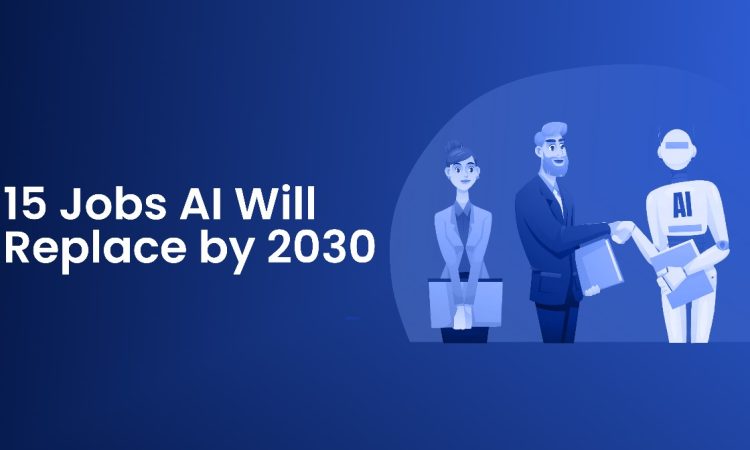
As 2025 unfolds, one of the most urgent discussions shaping workplaces, economies, and societies revolves around a single question: How will artificial intelligence transform jobs this year and beyond? While fears about robots replacing humans have remained a cultural constant for decades, the reality emerging today is more nuanced—and far more dynamic. AI is undeniably reshaping the global workforce, but it is doing so in complex ways that involve disruption, augmentation, and a wave of new opportunities.
This year marks a turning point. After years of experimentation, AI has moved from pilot programs into the core operations of businesses. Automation tools, generative AI models, and intelligent systems are becoming part of everyday workflows across industries, signaling significant changes in how people work, what skills matter, and which careers will grow or decline.
Automation Accelerates—But Not in the Way People Expected
For years, analysts predicted that AI would eliminate millions of jobs in sectors like manufacturing, retail, and customer service. While automation is certainly accelerating in these areas, 2025 is showing that the story is not just about job losses—it’s about job shifts.
Traditional automation continues to handle repetitive, rule-based tasks.
- In factories, AI-powered inspection systems reduce errors.
- In logistics, intelligent scheduling systems optimize routes and warehouse operations.
- Retail chains increasingly rely on automated checkout and inventory robots.
These changes streamline operations, but rather than eliminating entire roles, they often reduce the number of repetitive tasks workers perform.
The notable shift in 2025 is the spread of cognitive automation, powered by advanced AI models that can process natural language, analyze patterns, and make predictions. This has begun affecting white-collar sectors such as finance, legal services, IT support, and marketing—areas once thought safe from automation because they required reasoning or communication.
Tasks like document review, basic legal drafting, financial reporting, content generation, and code debugging are increasingly handled by AI tools. Workers in these fields are now spending less time on routine tasks and more time on strategic decision-making, creativity, and client interaction.
The Rise of AI-Augmented Roles
Instead of replacing humans outright, AI is becoming a powerful assistant, weaving itself into job roles across the board. This trend is one of the most defining features of 2025.
- In healthcare, doctors use AI systems to summarize patient histories, predict risks, and assist in diagnosis.
- In education, teachers adopt AI-powered lesson planners and analytics dashboards.
- In creative fields, designers and artists use AI to explore concepts and generate drafts.
The emerging trend is a workforce where human expertise combines with machine intelligence.
Job Creation Outpaces Job Elimination in Key Sectors
Some of the fastest-growing roles include:
- Prompt engineers
- AI trainers
- Ethics and compliance analysts
- Automation supervisors
- Data quality specialists
- Human-AI collaboration managers
Beyond tech, AI is also driving growth in:
- Renewable energy
- Healthcare
- Agriculture
- Cybersecurity
While the job market is undergoing disruption, the emerging opportunities often require upskilling rather than complete career changes.
Skills in Demand: What Workers Need to Thrive in 2025
- AI literacy
- Digital adaptability
- Critical thinking and problem solving
- Creativity and innovation
- Emotional intelligence and communication
- Specialized technical skills
The overarching theme is clear: workers who combine technical understanding with human-centered strengths are the best positioned for success.
The Global Workforce Is Becoming More Hybrid and Flexible
Examples of hybrid roles include:
- Customer service agents handling complex cases while AI manages routine support
- HR teams using AI for resume screening
- Marketing analysts using AI insights to guide strategy
This hybridization is also leading to more flexible work arrangements.
Addressing the Challenges: Inequality, Reskilling, and Ethical Concerns
AI widens skill gaps and raises ethical issues related to:
- Bias
- Hiring fairness
- Worker privacy
- AI transparency
Responsible governance is critical.
A Look Ahead: What 2025 Truly Represents
Most experts agree that 2025 marks the beginning of a workforce evolution shaped by human–AI collaboration.








