
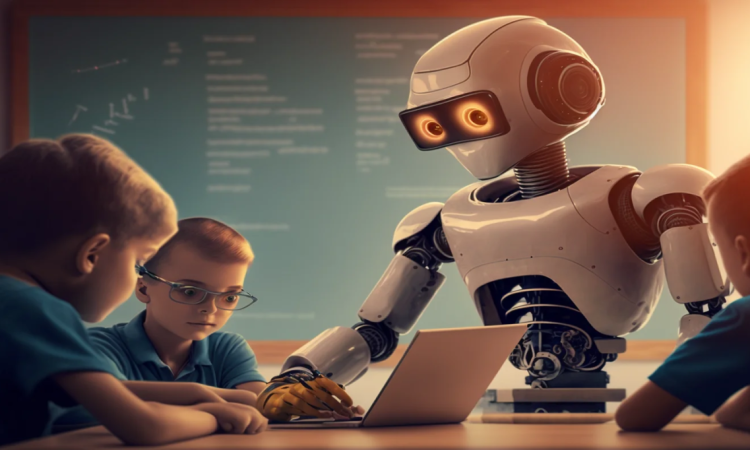
Artificial Intelligence (AI) is changing the way the world learns, teaches, and shares knowledge. What was once a futuristic dream—machines helping students learn, analyze progress, and personalize education—has now become an exciting reality.
As we move deeper into the digital age, AI’s role in education goes far beyond automation. It’s driving creativity, adaptability, and inclusivity in classrooms around the world. In 2025 and beyond, AI stands at the heart of a global educational revolution—reshaping how students learn, how teachers teach, and how societies prepare for the future of work.
1. The Rise of Intelligent Learning Systems
At the core of AI’s educational transformation are intelligent learning systems—platforms that adjust to each learner’s needs in real time.
Unlike the traditional “one-size-fits-all” model, AI-powered systems use data and behavioral insights to create personalized learning experiences. They can identify a student’s strengths, weaknesses, and pace, then recommend the right lessons, quizzes, and study materials.
For instance, if a student struggles with math, AI can instantly suggest simpler exercises or visual explanations. This kind of adaptive learning keeps students motivated and engaged because the lessons grow along with their progress—not against it.
2. Empowering Educators with AI Tools
Instead of replacing teachers, AI is empowering them. By automating repetitive tasks—like grading, attendance, and report generation—AI allows educators to focus on what matters most: teaching and connecting with students.
AI analytics also give teachers valuable insights into classroom dynamics. Educators can identify struggling students early, adjust teaching methods, and tailor support accordingly.
AI-powered virtual assistants and chatbots now answer common student queries 24/7, freeing teachers to handle more complex challenges. In essence, AI extends a teacher’s reach, helping them work smarter, not harder.
3. Personalized Learning Paths for Every Student
Every learner is unique, and AI understands that better than any standardized system ever could. Some students learn visually, others through practice, and many through collaboration.
AI analyzes each student’s learning style and tailors lessons accordingly. Imagine a classroom where no two students follow the same path—where lessons evolve based on individual needs. A student struggling in science might get extra step-by-step help, while another might explore deeper topics through simulations and problem-solving tasks.
This level of personalization not only bridges learning gaps but also builds confidence and ensures that every student—no matter their background or ability—has a fair chance to succeed.
4. The Role of AI in Virtual and Remote Learning
The shift to online learning during the pandemic fast-tracked AI’s role in digital education. Today, it’s at the core of virtual classrooms, making remote learning more interactive and effective.
AI can track engagement, detect when students lose focus, and even suggest when to take breaks or adjust lesson styles. Intelligent tutoring systems provide instant feedback, ensuring students never feel lost.
AI also helps group students intelligently based on skills or interests, promoting collaboration even in virtual settings. As technology evolves, expect AI-driven classrooms powered by Augmented Reality (AR) and Virtual Reality (VR) to deliver more immersive learning experiences than ever before.
5. Breaking Language and Accessibility Barriers
One of AI’s most powerful impacts is its ability to make education accessible to all.
With real-time language translation, speech recognition, and text-to-speech tools, students worldwide can learn in their preferred languages. Learners with disabilities benefit from voice controls, visual recognition, and adaptive displays that suit their unique needs.
By breaking language and accessibility barriers, AI promotes equity in education, ensuring no student is left behind.
6. Data-Driven Decision Making in Education
AI helps schools, universities, and policymakers make smarter, data-driven decisions. Predictive analytics can forecast student performance, dropout risks, and areas that need improvement.
Institutions use this data to refine teaching methods, allocate resources, and boost academic results. Governments can use AI insights to identify broader education challenges and plan reforms effectively.
Still, this data revolution must be handled responsibly—student privacy and ethical data use must remain top priorities to ensure trust in AI-driven systems.
7. Preparing Students for an AI-Driven Future
As industries evolve, education must keep up. AI is shaping future jobs, and students must be ready for a world driven by automation and digital intelligence.
Schools are shifting from rote learning to skill-based education that builds creativity, critical thinking, and digital literacy. AI is already part of STEM programs and vocational training, helping students learn about coding, algorithms, and ethics.
AI also supports lifelong learning, allowing professionals to upskill and reskill through personalized, on-demand programs—an essential ability in the rapidly changing job market.
8. Ethical and Human Considerations
AI brings incredible potential but also raises crucial questions. How do we keep algorithms fair and unbiased? How do we ensure machines don’t replace human connection in education?
Developers, educators, and policymakers must collaborate to design ethical AI systems that protect privacy and promote inclusivity. The goal is not to replace teachers but to enhance human potential—keeping empathy and creativity at the heart of learning.
9. The Road Ahead
The future of AI in education is filled with opportunity. With the right balance of technology, ethics, and empathy, the next generation of learners will thrive in ways previously unimaginable.
AI-driven classrooms will soon be the norm. Students will enjoy lessons tailored to their individual needs, teachers will have digital assistants at their side, and education will become borderless and inclusive.
But the success of this transformation depends on one key factor: keeping human values at the center of innovation. Technology may guide the way, but compassion, curiosity, and creativity will always define true learning.
In Conclusion
Artificial Intelligence isn’t just transforming education—it’s redefining it. By personalizing learning, empowering educators, and removing barriers, AI is paving the way for a smarter, more connected, and inclusive educational future.
The classrooms of tomorrow will not simply teach facts; they will nurture imagination and empathy—qualities that no machine can ever replace. In blending human wisdom with machine intelligence, we are creating the true future of learning.








