
What Are the Latest AI Developments in Healthcare, Finance, and Education?
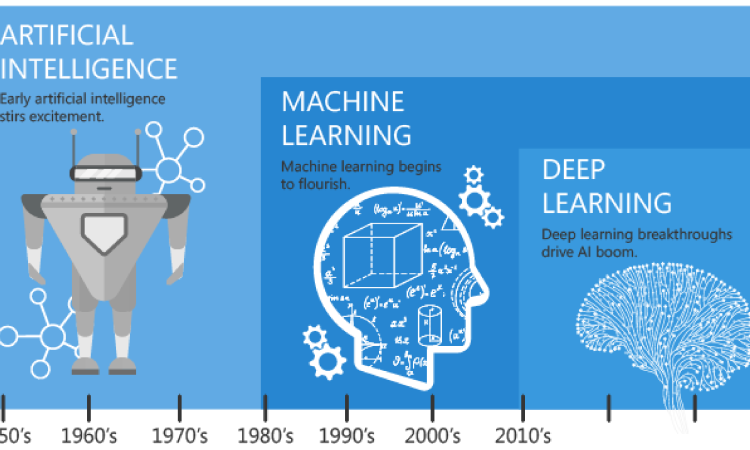
Artificial Intelligence (AI) has come a long way from being just a futuristic buzzword. Today, it’s the driving force behind innovation across industries. In 2025, AI’s impact on healthcare, finance, and education has grown rapidly—changing the way people receive medical care, manage money, and gain knowledge. Each sector has seen remarkable progress, improving efficiency while reshaping entire systems for the better.
AI in Healthcare: Precision, Prediction, and Personalization
The healthcare industry has always embraced innovation, but AI is transforming it like never before. From diagnosis to treatment and patient support, AI is redefining what’s possible in modern medicine.
1. AI-Powered Diagnostics and Early Detection
AI is making diagnostics faster, smarter, and more accurate. Advanced algorithms trained on millions of medical images are now surpassing human experts at spotting diseases such as cancer, heart conditions, and neurological disorders.
For instance, AI-powered imaging tools in oncology can identify tumors at a microscopic stage—often earlier than a human eye could detect. Recent breakthroughs in multimodal AI systems combine visual data with patient history, genetics, and lab results to deliver comprehensive, highly accurate diagnoses. These systems don’t just detect illness; they also predict disease progression, enabling doctors to act early and plan better preventive care.
2. Personalized Treatment Plans
AI is driving the shift toward personalized medicine. By analyzing a patient’s genetics, lifestyle, and treatment history, algorithms can design tailored therapies that are more effective and less likely to cause side effects.
These intelligent systems also support doctors in decision-making—cross-referencing patient data with global research to provide evidence-based recommendations. In essence, AI has become a reliable assistant for physicians, helping them make faster, more informed choices.
3. Accelerating Drug Discovery and Clinical Trials
Developing new drugs used to take years, but AI is speeding up the process dramatically. Machine learning models can now evaluate billions of compounds within days, identifying promising drug candidates far quicker than traditional methods.
In clinical trials, AI tools match eligible participants with ongoing studies, predicting who might respond best to specific treatments. This precision has cut trial durations and improved success rates, saving both time and money in the drug development pipeline.
4. Virtual Health Assistants and Predictive Care
AI-powered virtual assistants and chatbots are becoming vital in patient engagement. They answer questions, remind patients about medications, and even detect voice changes that may indicate stress or illness.
Hospitals are also using predictive analytics to monitor patients in real time. These tools can forecast potential health deteriorations before they happen, allowing early interventions and reducing emergency admissions. The goal is clear—move from reactive care to proactive prevention.
AI in Finance: Smarter Systems, Safer Transactions
The finance industry thrives on information, prediction, and trust—three areas where AI excels. As digital banking grows, financial institutions are using AI to enhance decision-making, prevent fraud, and deliver personalized experiences.
1. Fraud Detection and Risk Management
Fraud prevention has become one of AI’s most powerful applications. Machine learning algorithms analyze thousands of transactions every second, spotting unusual behavior that could signal fraudulent activity. Unlike traditional systems, these AI models learn continuously, adapting to new threats faster than human analysts ever could.
In risk assessment, AI tools now evaluate creditworthiness by examining hundreds of variables—from spending habits to social data—allowing fairer and more accurate lending decisions. This helps banks reduce bias and improve financial inclusion.
2. Algorithmic and Predictive Trading
AI has revolutionized trading. Predictive analytics models now process real-time market data, global news, and even social sentiment to forecast price movements. Trades are executed in fractions of a second, optimizing performance and minimizing risk.
In 2025, human-AI hybrid trading is gaining traction. While AI crunches data and spots patterns, human traders oversee strategy and ethics. The result is a powerful balance between automation and human judgment.
3. Personalized Financial Services
AI is transforming how people interact with banks and financial advisors. Virtual banking assistants now offer round-the-clock support, helping customers manage budgets, plan investments, and track expenses.
By understanding each user’s financial habits, AI tools can recommend tailored investment options—acting as digital financial advisors. This not only makes financial planning easier but also empowers users with greater control over their money.
AI in Education: Adaptive Learning for the Modern Age
Education is experiencing an AI-powered transformation that’s making learning more personalized, interactive, and accessible. AI is helping students learn at their own pace while giving teachers the tools to understand their needs better.
1. Personalized and Adaptive Learning Platforms
AI-driven platforms now customize lessons to match each student’s learning style and pace. If a student struggles with math, for example, the system provides extra exercises, visual aids, or simpler explanations.
This adaptive learning ensures that students don’t fall behind or get bored, creating a more engaging and equitable classroom experience.
2. Intelligent Tutoring Systems
AI-powered virtual tutors are now available 24/7 to help students master difficult topics. These tutors explain concepts in multiple ways, offer instant feedback, and can even detect frustration or confusion through voice and text cues.
By responding empathetically, AI tutors keep students motivated and confident—replicating the benefits of one-on-one tutoring without time or cost constraints.
3. Streamlining Administration and Analytics
AI isn’t just helping students—it’s simplifying teachers’ workloads too. Tasks like grading, attendance tracking, and scheduling can now be automated, allowing educators to focus on instruction.
Schools are also using AI analytics to identify at-risk students early, providing timely interventions and improving overall outcomes.
4. Global Accessibility and Inclusive Learning
Language barriers are disappearing thanks to AI translation and voice recognition tools. Students from different linguistic backgrounds can now learn together seamlessly. AI-powered speech-to-text systems also make education more inclusive for students with disabilities.
Immersive platforms powered by AI create real-world simulations for language learning, helping learners gain fluency faster through conversation-based practice.
The Road Ahead: Human and AI, Working Hand in Hand
The latest AI breakthroughs in healthcare, finance, and education share one defining theme: collaboration between humans and machines. AI is no longer replacing people—it’s amplifying human abilities, driving efficiency, and unlocking new levels of precision and personalization.
As ethical standards and regulations evolve, the focus will be on building trustworthy, transparent AI systems that serve humanity responsibly. One thing is certain—AI’s influence on how we heal, earn, and learn is just beginning, and its full potential is only starting to unfold.








