
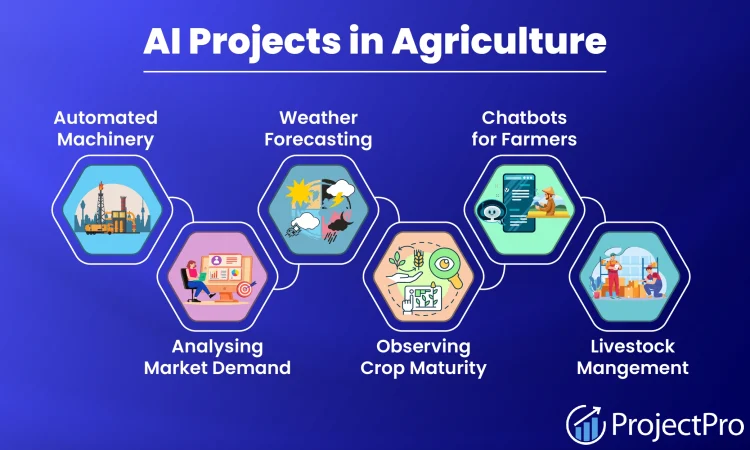
Agriculture is transforming quietly around the world. For centuries, cheap labor was the backbone of farming. Farmers observed the weather, analyzed soil conditions, and experimented with crop rotation and fertilizers, much of it based on generational wisdom. Today, that landscape is changing drastically. The newest frontier of farming is not in the soil—it’s in the realm of algorithms, artificial intelligence, and data analytics, where software-driven and automated agriculture are transforming how we plant, grow, and harvest.
What Is Algorithmic Agriculture?
Algorithmic agriculture—also called “smart” or “precision” agriculture—uses highly advanced algorithms to maximize and perfect every element of the farming process.
- Forecasting the optimal time to plant seeds.
- Spotting disease outbreaks before they spread.
- Providing insights that humans alone cannot detect.
Unlike conventional agriculture, which often relies on reactive decision-making, algorithmic agriculture supports proactive, data-driven planning, helping to use resources efficiently, reduce waste, and increase harvest yields.
AI in Crop Monitoring
One of the most high-profile applications of AI in agriculture is crop monitoring.
- Drones equipped with high-resolution cameras and sensors collect data on soil moisture, crop health, and pest infestations.
- Data is analyzed by machine learning algorithms, identifying patterns too subtle for the naked eye.
Real-time alerts can notify farmers:
- A section of a cornfield is showing signs of nutrient deficiency.
- An impending pest outbreak is likely in the next few days.
Early detection allows farmers to intervene promptly, minimizing crop loss and reducing the reliance on broad pesticide use.
Predictive Analytics in Crop Management
AI’s influence extends beyond monitoring. Predictive analytics is increasingly applied in crop management:
- Historical weather data, soil conditions, and market trends are analyzed.
- AI models predict which crops are likely to thrive in a season.
Benefits include:
- Better decision-making on what to plant and when.
- Reduced risk of low production.
- Increased overall profitability.
Some startups are even optimizing seed selection and planting density, ensuring every acre is used as effectively as possible.
Robotics in Farming
Robotics provides another avenue for algorithmic agriculture:
- Driverless tractors, combines, and irrigation systems perform complex tasks with minimal human involvement.
- Machines use algorithms to navigate fields, apply precise amounts of fertilizers or water, and pick crops at peak ripeness.
By reducing reliance on manual labor, which is in short supply in many regions, AI-powered machinery helps sustain agricultural production despite labor shortages.
Environmental Implications
Algorithmic agriculture also has significant environmental consequences:
- Conventional farming often leads to overuse of water, fertilizers, and pesticides, causing soil degradation, contaminated water, and biodiversity loss.
- AI allows a targeted approach:
- Variable-rate technology (VRT) applies inputs precisely, reducing waste.
- Smart irrigation systems rely on real-time soil data to deliver water with pinpoint accuracy, conserving one of our planet’s most valuable resources.
Through these innovations, AI can make farming more sustainable and environmentally friendly.
Challenges and Considerations
Despite its promise, algorithmic agriculture faces several challenges:
- Accessibility
- High investment costs for AI systems, drones, and autonomous machines may exclude small farmers, especially in developing countries.
- Risk of further entrenching inequalities, benefiting large commercial operations over smaller family farms.
- Data Privacy and Security
- Farmers generate valuable agricultural data (soil, weather, crop yields).
- They must trust AI providers to use data responsibly and protect it from misuse.
- Cybersecurity breaches could disrupt supply chains or compromise food safety.
- Human Expertise vs. AI
- Farming is both a science and an art.
- Veteran farmers interpret subtle signs and local knowledge not fully captured by data.
- Effective AI adoption requires fusion of human wisdom and machine intelligence.
Global Potential and Real-World Applications
The potential of algorithmic agriculture is too significant to ignore:
- Global food demand is rising due to population growth and changing diets.
- Arable land is shrinking, and climate change adds new uncertainty.
- AI tools help maximize resources, improve resilience, and boost productivity, supporting sustainable food production.
Examples worldwide include:
- United States: Tech companies are deploying AI to monitor soil health, automate irrigation, and predict crop yields.
- Europe: Precision viticulture allows winemakers to calibrate irrigation and fertilization block by block, enhancing grape quality and reducing resource use.
- Asia: AI-powered aquaculture systems automatically monitor feeding schedules and water quality, producing healthier fish stocks and greater profits.
Collaboration and Policy Needs
For algorithmic agriculture to succeed:
- Partnerships between tech companies, governments, and farmers are essential.
- Measures should enable smallholders’ access to AI tools.
- Investments in digital infrastructure and training programs will ensure equitable benefits.
- Transparent data policies and ethical AI principles are critical to building trust and avoiding unintended consequences.
Conclusion
The rise of algorithmic agriculture represents a fundamental shift in food production:
- Leveraging AI, big data, and automation, farmers can make more informed decisions, increase efficiency, and reduce environmental impact.
- While challenges like cost, data security, and human expertise remain, the potential rewards are immense.
With AI entering the fields, farming is becoming a high-tech industry, less the older, intuition-based practice of soil tilling and composting. The future of agriculture may be more artificial, with profound impacts on food, nature, and human livelihoods.








