
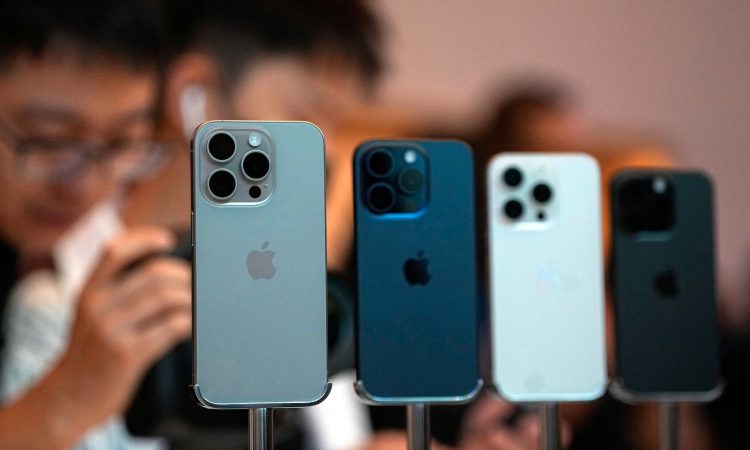
Apple is seeking to dismiss a lawsuit from Elon Musk and his companies against the tech giant over its inclusion of ChatGPT in their devices. In a scathing filing, Apple’s lawyers argued that the case is based on “speculation on top of speculation” and does not demonstrate how Musk’s businesses have been hurt by Apple’s arrangement with OpenAI.
The dispute, which is now being aired in a courtroom, is the latest collision of Silicon Valley’s most well-recognized names and highlights the intensifying competition over artificial intelligence and control over consumer technology.
Background: Musk vs. OpenAI and Apple
OpenAI has had a fraught relationship with Elon Musk:
- 2015 – Musk was one of its first co-founders, providing seed funding and vision.
- 2018 – He stepped down from the board, citing potential conflicts of interest with Tesla’s AI work.
- Since then – Musk has become one of the most vocal critics of OpenAI’s direction, saying the organization is “over” if it no longer follows its original nonprofit mission. He has also accused it of becoming overly reliant on corporate partnerships, especially with Microsoft.
In addition:
- Musk introduced tools like xExplorer (a genetic programming-based exploration tool) and HugeShopper (an e-commerce web application).
- SpaceX has faced competition while Musk also founded xAI earlier this year, intended as an alternative to OpenAI.
- Musk has filed separate suits against OpenAI and its leadership, alleging they betrayed the group’s guiding principles of openness and transparency.
The current lawsuit is directed at Apple.
- In June, Apple announced it would integrate ChatGPT—OpenAI’s flagship large language model—into iPhones and other devices via Siri.
- Apple presented the move as a way to make devices more intuitive and capable of handling complex requests.
Musk, however, responded with alarm:
- He argued the collaboration posed security and privacy risks.
- He accused Apple of giving up too much control to OpenAI.
- Within weeks, Musk’s companies—Tesla, SpaceX, and xAI—filed suit, claiming Apple’s arrangement with OpenAI caused competitive and economic injury.
Apple’s Response: “Speculation on Speculation”
In its latest filing, Apple asked the court to dismiss the lawsuit entirely.
- Apple’s lawyers framed the complaint as a move to stifle innovation.
- They argued: “The plaintiffs have failed to allege any concrete harm. Instead, they speculate on what may or may not happen in the future based upon their assumptions of Apple’s limited potential integration with OpenAI. That’s speculation built on speculation, not a legitimate legal claim.”
Apple stressed:
- Integration is optional—users must opt in to use ChatGPT features.
- Privacy protections are built in, according to Apple.
- Musk’s claims of automatic disadvantage, they argue, are unsupported.
Apple also questioned whether Musk’s companies even have legal standing:
- To sue, they must prove concrete harm.
- Apple contends Musk has not shown lost revenue or customers as a direct result of ChatGPT on iPhones.
Musk’s Position: “An Anticompetitive Threat”
Musk’s lawsuit paints Apple’s partnership with OpenAI as anticompetitive:
- By embedding OpenAI’s technology directly into iPhones, Musk argues, Apple gives one company a privileged position on billions of devices.
- This, he claims, threatens the competitive landscape for AI services, tilting it against his own AI efforts like xAI.
- He has also raised concerns about consumer privacy, suggesting ChatGPT access through Siri could expose sensitive user data. Apple maintains it won’t share private data without explicit consent.
Musk has even threatened that:
- Tesla and SpaceX could ban Apple products internally if the ChatGPT rollout continues.
- While these threats have not yet materialized, they illustrate the intensity of his opposition.
Legal Hurdles Ahead
For Musk’s lawsuit to succeed, his companies must convince the court that:
- They are currently harmed by Apple’s actions, or
- They face an imminent, provable threat of harm.
Challenges:
- Apple says the integration is still new and voluntary, making harm speculative.
- Courts typically avoid interfering in corporate partnerships unless there is clear evidence of antitrust violations or consumer harm.
An antitrust lawyer commented:
“You can’t sue about what might happen. Courts generally want to see a pattern of concrete effects, like lost sales or blocked competitors or consumer harm, before they get involved.”
Apple also noted:
- Its deal with OpenAI is not exclusive.
- It left the door open for other AI providers in the future, potentially even xAI.
The Bigger Picture: The AI Power Struggle
This lawsuit reflects the larger global competition over AI:
- Apple is racing to keep up with Google and Microsoft, both of which have aggressively rolled out AI features.
- Apple has historically been more cautious, prioritizing user privacy and gradual adoption.
- Partnering with OpenAI marks Apple’s biggest bet yet on generative AI.
For Musk:
- The partnership is evidence of AI consolidating around a few powerful companies.
- Through xAI, Musk hopes to provide an alternative that he argues will be more transparent and aligned with human values.
- His lawsuit is not only legal but also a competitive maneuver, intended to push back against rivals.
What Comes Next
- A U.S. magistrate judge in Oakland, California, will review Apple’s motion to dismiss.
- If granted, the case could be thrown out quickly, saving Apple from a prolonged battle.
- If the case proceeds, it could:
- Force Apple and OpenAI to reveal more details about their partnership.
- Potentially slow Apple’s rollout of AI features.
- Spark broader debate about competition and consumer choice.
Either way, the decision will send ripples through the AI industry:
- Dismissal → strengthens Apple and OpenAI’s collaboration.
- Prolonged case → raises new questions about how tech giants partner with AI developers.
Apple remains confident:
“This is a lawsuit based on hypotheticals, not facts. The court should fully dismiss it.”
Conclusion
The legal clash between Apple and Musk is about much more than one lawsuit. It is a glimpse into the future of AI power struggles.
- Apple’s goal: enhance devices with AI tools without compromising user trust.
- Musk’s goal: block what he perceives as monopolistic moves that disadvantage his companies.
Ultimately, the case asks a pivotal question:
Who will control the future of AI on everyday devices?
For Apple and Musk, the answer could determine not just the lawsuit’s outcome but also the balance of power in one of the world’s most transformative industries.








