
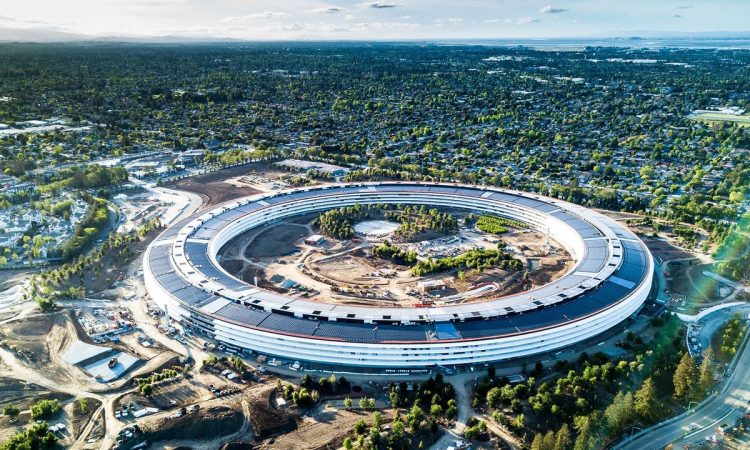
For as long as anyone can remember, Silicon Valley has always meant tech innovation. Stretching from San Francisco south to San Jose, this California region has long been home to the world’s most influential tech companies, including Apple, Google, Facebook, and Intel. It has become a global mecca for entrepreneurs and investors, known as the birthplace of groundbreaking technologies, venture capital reform, and start-up culture.
But in recent years, questions have emerged about whether Silicon Valley still deserves its reputation as the leading technology center.
The Historical Context
Silicon Valley’s growth dates back to the mid-20th century, shaped by semiconductor research and defense contracts. The founding of companies like Hewlett-Packard in the 1930s, and later Stanford University’s rise as a center for research and talent, provided fertile ground for innovation.
The region’s risk-taking, collaborative, and entrepreneurial culture powered a series of tech booms:
- Semiconductors
- Personal computing
- The Internet
- Social media
Venture capital was also an important factor. The area created an ecosystem where investors would back high-risk start-ups, enabling rapid scaling and market disruption. This combination of talent, capital, and culture made Silicon Valley the world’s epicenter of tech for decades.
Challenges and Changes in the Tech World
The landscape, however, is shifting. Several forces are eroding Silicon Valley’s dominance, including high costs, regulatory pressures, and changes in the nature of modern work.
1. High Cost of Living
The cost of living in Silicon Valley has exploded. Property values in San Francisco and neighboring towns are among the highest in the United States. This makes it harder for startups to hire and retain talent without offering exorbitant salaries.
For many software engineers, product designers, and project managers, working in Silicon Valley is becoming less desirable compared to opportunities elsewhere with lower living costs and comparable pay.
2. Regulatory Pressures
Tech giants like Google, Facebook, and Apple face antitrust investigations and data privacy regulations. While these measures benefit consumers, they add layers of unpredictability for companies operating in the region, potentially slowing innovation or deterring new entrants.
3. Remote Work Trends
The COVID-19 pandemic accelerated remote work, reducing the need for employees to be physically located in Silicon Valley. Companies like Twitter, Shopify, and Coinbase adopted hybrid or fully remote work policies, enabling employees to live in cities like Austin, Miami, and Denver, where housing is more affordable and quality of life is high.
Rising Competitors
Silicon Valley is facing increased competition from other tech hubs both in the United States and abroad.
- U.S. Competitors: Austin, Boston, Seattle, and New York have developed thriving ecosystems for startups and established companies. Austin, in particular, has attracted tech workers and companies fleeing California due to favorable taxes, lower living costs, and a vibrant cultural scene.
- International Competitors:
- Shenzhen, China: Global hub for electronics and hardware
- London, Tel Aviv, Berlin: Hotspots for software innovation and venture capital
- Bangalore, India: Growing hub for software development and IT services
These emerging centers demonstrate that tech innovation is no longer exclusive to one region.
The Resilience of Silicon Valley
Despite challenges, it is too early to write off Silicon Valley. The region retains unique advantages that are difficult to replicate:
- Deep network of venture capitalists, serial entrepreneurs, research universities, and global talent
- Industry-altering products from companies like Tesla, Google, and Apple
- Cutting-edge research in AI, biotechnology, and quantum computing
Silicon Valley also benefits from its cultural cachet:
- The ethos of disruption
- “Fail fast, fail often” philosophy
- Access to experienced mentors and advisors
This cultural edge continues to attract ambitious entrepreneurs from around the globe.
Adaptation and Reinvention
Silicon Valley has also been adapting to the changing landscape:
- Increasing housing supply and developing co-working spaces
- Supporting remote-friendly company models
- Universities and research institutes producing a steady stream of talent
- Numerous incubators and accelerators providing mentorship and seed funding
Investment trends are shifting too. While venture capital remains concentrated in the Valley, investors are increasingly funding companies in other U.S. cities and international markets. This diversification could strengthen Silicon Valley’s dominance by creating global networks that maintain its central role in innovation.
The Future of the Tech Capital
So, is Silicon Valley still the tech capital? The answer depends on interpretation:
- Historical Significance: Silicon Valley remains a force due to its density of top-tier companies and cultural impact.
- Global Innovation & Growth: Its dominance is challenged by emerging hubs worldwide.
The world is moving toward a decentralized model of innovation:
- Talent, capital, and ideas are no longer concentrated in a single location
- Remote work and fast internet connect global tech hubs
- Silicon Valley remains a symbolic heart of tech, but innovation is increasingly global
Perhaps the real question is whether the idea of a single “tech capital” is outdated.
Conclusion
Silicon Valley’s legacy is indisputable:
- Defined the tech industry
- Promoted global entrepreneurship
- Shaped the digital world
However, as new hubs emerge, costs rise, and work becomes more flexible, the Valley faces a reckoning. Its supremacy is no longer inevitable, but its influence persists.
The tech world is evolving into a network of interconnected innovation centers, each contributing to the next wave of technological breakthroughs.
Silicon Valley’s story is far from over—but now, it shares the stage with a new global cast of players. In the coming years, whether it remains the tech capital or becomes one of many influential hubs, it will continue shaping the future of technology.








