
Trump Administration Takes Aim at Semiconductor Imports Over Security Concerns
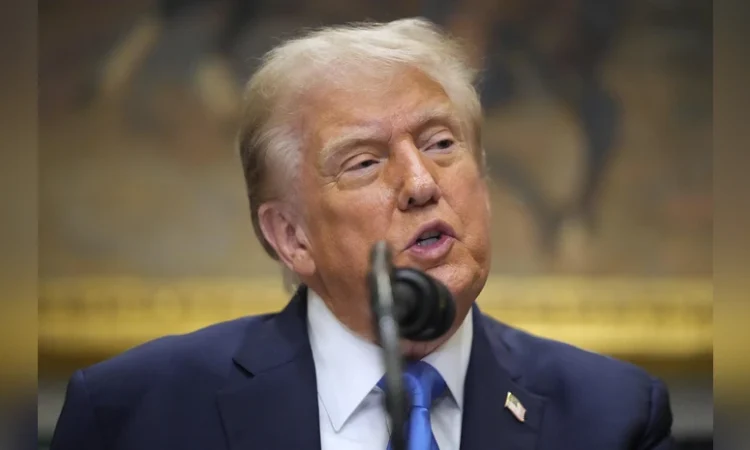
In a move that has rocked industry analysts and foreign trade partners, the Trump administration announced plans to tighten rules on chip imports. The policy change is designed to safeguard U.S. national security interests and maintain the country’s technological edge in a rapidly shifting global market, officials say.
The Importance of Semiconductors
Semiconductors, the tiny chips that power everything from automobiles to supercomputers, underpin much of modern life. The United States hosts much of the world’s leading chip design work, but foreign firms—many based in Taiwan and South Korea—produce the most advanced chips.
Nations like Taiwan, South Korea, and China control most of the world’s semiconductor production, moving chips across vast supply chains. This reliance has left American policymakers vulnerable, particularly during periods of geopolitical tension or trade friction.
Administration’s Policy Shift
The administration’s announcement signals a more aggressive industrial policy. According to sources briefed on the plans, new measures could include:
- Higher tariffs on imported semiconductors
- Stricter export controls
- Mandatory review processes for companies importing chips from specific countries
Objectives of the policy:
- Reduce dependency on foreign suppliers
- Spur domestic chip production in the United States
“Semiconductors are not just another product; they are the foundation of our national and economic security,” said an administration official who spoke on condition of anonymity.
“We must ensure that the technology that drives our military, infrastructure, and sensitive sectors are under U.S. control.”
Industry Reactions
Supporters
Supporters argue that ramping up domestic production is crucial not only for national security but also for building a more resilient economy.
- The recent global chip shortage revealed vulnerabilities in relying on overseas production.
- Dr. Laura Chen, a technology policy expert, noted:
“With supply chain disruptions, it has become clear that America should not be fully reliant on foreign-based semiconductor manufacturing.
This program could motivate companies to invest in U.S.-based sites, create jobs, and spark innovation here at home.”
Critics
Critics warn that imposing tariffs and limits could have unintended consequences, such as:
- Retaliatory measures from other countries
- Increased costs for U.S. businesses
- Potential slowdown in innovation and higher consumer prices
A report by a leading industry research group found that nearly 75% of advanced semiconductor manufacturing occurs in Asia. Disrupting this flow without domestic alternatives could create bottlenecks in industries ranging from consumer electronics to automotive manufacturing.
Strategic and Geopolitical Implications
Even with these concerns, the Trump administration is pressing forward. The policy aligns with a broader agenda emphasizing economic nationalism and technological self-reliance.
Key points:
- Technological dominance is framed as a national security issue.
- U.S.-China relations could be affected, as many chip fabrication plants are located in China.
- The administration aims to limit China’s influence over critical technology while promoting domestic alternatives.
Industry Response and Recommendations
U.S. semiconductor manufacturers are evaluating their options:
- Some plan to expand domestic facilities, encouraged by government incentives.
- Others worry that import regulations may disrupt supply chains, requiring costly adjustments.
Industry groups advocate a balanced approach:
- Combine targeted import controls with incentives for domestic manufacturing, research, and workforce development
- Maintain international collaboration to ensure technological progress
While reducing reliance on specific countries may improve security, open channels for research, cooperation, and trade are vital for technological development.
Economic and Consumer Impact
The stakes are high:
- Semiconductors are projected to be a trillion-dollar industry in the next decade
- They power artificial intelligence, self-driving cars, and other advanced technologies
Short-term effects:
- Potential price increases for electronics
- Longer wait times for products
Long-term benefits (proponents hope):
- Stronger domestic semiconductor industry
- Increased resilience and reduced supply chain risk
Congressional Action
Attention is turning to Congress, where lawmakers are exploring further measures to support domestic semiconductor production:
- Bipartisan support for programs funding manufacturing, research, and skilled workforce training
- Shared recognition of the sector’s strategic significance
Broader Policy Context
The Trump administration’s focus on semiconductor imports fits into a larger theme: the intersection of technology, trade, and national security.
- As global competition intensifies, the United States aims to protect its technological leadership while navigating complex international trade dynamics.
- Semiconductors have transitioned from a technical issue to a strategic priority.
Looking Ahead
Over the coming months, industry observers will monitor:
- Regulatory developments
- Market responses
For companies, investors, and policymakers, the implications are profound:
- Affecting economic growth, national defense, and global competitiveness
- Determining the future trajectory of U.S. technology for years or decades
The stakes could not be higher, and the outcome is likely to shape U.S. technological leadership and global competitiveness for the foreseeable future.








