
Lincoln Center’s Collider Fellows Experiment With Tech and the Arts
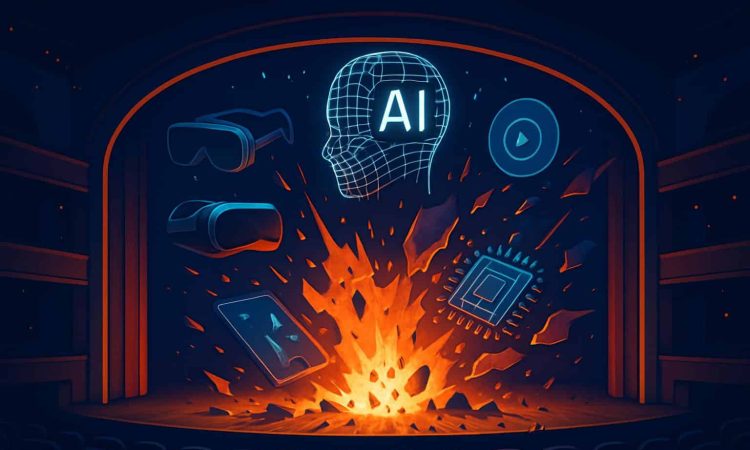
In a time when technology is transforming every part of our lives, even the most tradition-bound pockets of culture are seemingly opening up to the new. The performing arts—with their reliance on human creativity and live audiences—are starting to look toward innovation.
This exploration is spearheaded by Lincoln Center’s Collider Fellows program, a daring experiment designed to coax art and technology into conversation and imagine what performance of the future could be, in an increasingly digital world.
The Collider Fellows Program
The Collider Fellows program, which began in 2018, is a critical part of Lincoln Center’s broader effort to foster experimentation and collaboration across disciplines.
The program brings together:
- Artists
- Technologists
- Designers
- Researchers
These collaborators work on projects that push the boundaries of:
- Performance
- Spatial design
- Audience engagement through technology
Goal: Not just to digitize the arts, but to explore how new tools and platforms can stretch the possibilities of storytelling, movement, music, and audience interaction.
Technology as a Creative Partner
At its heart, the Collider Fellows program is predicated on the belief that technology is no longer simply infrastructure for art, but an artistic collaborator.
Technologies explored include:
- Artificial intelligence (AI)
- Virtual reality (VR) and augmented reality (AR)
- Motion capture
- Immersive soundscapes
These tools allow fellows to:
- Enhance performances
- Build entirely new kinds of performances
- Break down disciplinary boundaries (e.g., collaborations between choreographers and programmers, composers and engineers, stage designers and interactive media creators)
AI in Music and Live Performance
One recent cohort of fellows focused on AI in music composition and live performance. Using machine learning algorithms, the fellows developed systems capable of:
- Reacting in real time to performers’ gestures
- Generating accompaniments or improvisations that follow the ebb and flow of live performances
“We’re interested in technology as a collaborator and not as a tool to automate creativity,” said Rachel Sussman, the program’s director.
“The magic comes from when human intuition meets computational possibility.”
Virtual and Augmented Reality
Other fellows explored VR and AR to rethink audience engagement:
- Creating immersive environments where spectators can experience art in nontraditional ways (dance, theater, or music)
- Example: A VR installation allowed participants to “walk” through a live-action digital set while a performance unfolded around them, turning spectators into active participants
These projects highlight the program’s commitment to trial and error, embracing unorthodox results as part of experimentation.
Accessibility and Inclusivity
The Collider Fellows program also serves as a laboratory for accessibility and inclusivity:
- Technology can make performances more accessible for audiences who are geographically distant, differently-abled, or unable to attend traditional theater venues.
- Examples include:
- AI-powered captioning systems for live performances
- Tools that convert musical or choreographic expression into tactile feedback for visually impaired audiences
These projects demonstrate that innovation in the arts can be both visionary and socially mindful.
Collaboration as Experimentation
Collaboration within the program is itself an experiment in creativity:
- Fellows come from diverse backgrounds, speaking different professional languages
- Innovation is driven by diverse perspectives
- Workshops, hackathons, and intensive residencies facilitate structured cross-pollination
- Mentorship from both arts and tech experts helps navigate interdisciplinary challenges
Fellows often describe the program as life-changing, expanding both technical skills and artistic possibilities.
Notable Projects
Robotic Dance Collaboration:
- A modern dance company partnered with robotics engineers
- Developed robots capable of interacting with human performers
- Robots introduced unpredictability, prompting human dancers to react in new ways
- Sparked debates about authorship, agency, and the evolving definition of performance
Public Engagement
As the program has grown, Lincoln Center ensures fellows’ work reaches wider audiences:
- Public exhibitions
- Interactive installations
- Performative interactions
Purpose: To highlight that technology in art-making is not only about the creators’ vision but also about the shared experience between performer and audience.
Critical Reception
Critics and admirers have praised the Collider Fellows initiative:
“Lincoln Center isn’t simply playing catch-up with technology; it’s recalibrating how we think about performance in an age of digitization. The fellows are breaking down walls, asking hard questions and imagining nearly impossible ideas that feel both futuristic and deeply human.”
— Amanda Li, Arts Journalist
Future Directions
Lincoln Center plans to expand the Collider Fellows program to explore:
- Environmental sustainability in productions
- Global collaboration among artists
- Innovative uses of digital platforms
The program aims to address 21st-century social and environmental challenges while continuing to celebrate creativity at its broadest and most inclusive.
A Beacon for the Performing Arts
In an era when live performance faces unprecedented challenges—from global pandemics to changing cultural consumption patterns—the Collider Fellows program stands out as a beacon of experimentation and potential.
- Encourages artists to think big
- Provides cutting-edge tools for innovation
- Cultivates a new generation of creators unafraid to reimagine performance
Technology and Art in Harmony
Ultimately, the Collider Fellows program demonstrates how technology and art can work together, rather than in opposition:
- Reinforces the human impulse to create, tell stories, and share experiences
- Opens imagination to what performance might become: dynamic, inclusive, participatory, and beautifully chaotic
Lincoln Center’s Collider Fellows are charting the future of performing arts, showing that while technology transforms tools and methods, it also amplifies human creativity in ways we are only beginning to understand.








