
Internet Detectives Misuse AI to Help Identify Charlie Kirk’s Alleged Attacker, Sparking Ethical Debate
In a developing story that has gripped the public, web users are using artificial intelligence in contentious ways to hunt down the reported shooter behind political commentator Charlie Kirk.
As the FBI methodically builds a case around the events and generates leads by releasing official photos of a “person of interest,” its efforts have been joined by an entirely new layer of chaos and confusion, fueled by tools available to just about anybody: AI-powered image enhancement software. This raises concerns about ethics, privacy, and misinformation.
The Beginning of the Frenzy
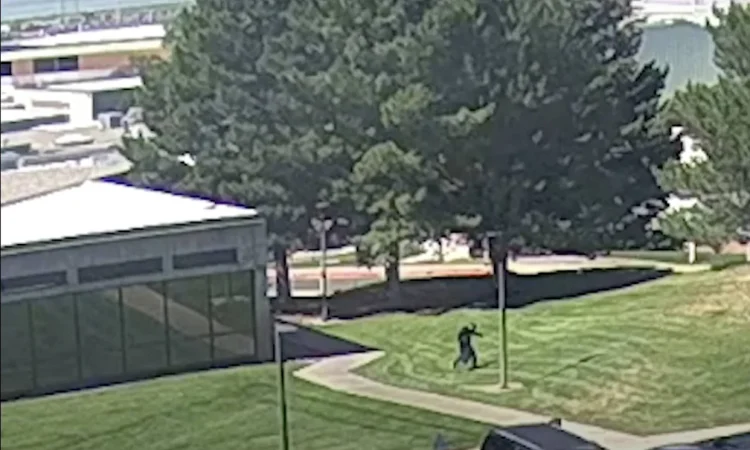
The situation was sparked when the FBI shared images of a suspect following an assault Kirk says was targeted at him.
- To maintain a professional and controlled investigation, these deliberately grainy and low-resolution images were designed to assist law enforcement without compromising the ongoing inquiry.
- However, the release ignited a frenzy among amateur sleuths, particularly in forums and social media hubs popular for “crowdsourced” detective work.
AI Tools in Use
Users applied AI tools to:
- Upscale the images
- Enhance image clarity
- Generate hyper-realistic versions of the suspect
Members argue that technology can reveal what the original footage hides. While AI solutions are compelling, misuse introduces serious risks:
- Enhanced images can create false impressions of reality
- Innocent individuals may be falsely implicated
- Online harassment can escalate
Expert Warnings
Experts in digital ethics and law enforcement have highlighted the dangers.
Marissa Chen, a professor of digital ethics at Northwestern University, stated:
“AI upscaling can produce images that look realistic but are unverified. The danger is that innocent people may be falsely accused — harassed, threatened, or worse — by being wrongly identified as the man in the video.”
The misuse of AI in criminal investigations has already caused real consequences in other high-profile cases, including:
- Misidentification
- Deepfake videos
- Viral misinformation
The FBI stresses that any attempts to identify suspects independently, whether through AI or other technologies, are not only unreliable but potentially illegal.
Law Enforcement Perspective
The FBI’s approach is methodical and cautious:
- Maximize public assistance while protecting procedural integrity
- Avoid excessive reliance on amateur input that could compromise evidence
Despite warnings, the allure of AI-powered detective work proves irresistible to many online sleuths, who believe technology can move faster than law enforcement.
Social Media Activity
Social media platforms have become hubs for AI-enhanced detective work:
- Users post “clarified” images of the suspect
- Speculation about the suspect’s identity is rampant
- Attempts are made to trace social media footprints
While some see this as a form of civic engagement, law enforcement cautions that such activity can:
- Hamper investigations
- Contaminate evidence
- Endanger suspects and bystanders
Technical Limitations
AI upscaling relies on algorithms trained on large datasets to fill in missing details. However:
- The process often introduces assumptions or errors
- Resulting images appear plausible but may be far from reality
- AI-generated images are interpretations, not verified reproductions
Detective Marcus Reynolds, a retired federal agent, explains:
“A blurry image that’s been enhanced by AI is not a photo of reality. It’s an approximation. It’s dangerous to base identification on it because the algorithm can add features that never existed.”
Broader Societal Implications
This incident highlights the intersection of AI technology and public trust in law enforcement:
- AI accessibility allows anyone to play amateur detective
- While it seems democratizing, it undermines formal investigative processes, including accuracy, legality, and safety
The viral spread of AI-enhanced images has also fueled debates about:
- Privacy
- Responsibility
- Digital vigilantism ethics
Some argue that public involvement is justified if official responses seem slow. Others warn it is irresponsible, potentially criminal, and morally questionable.
Legal Considerations
Experts caution that participating in AI-driven investigations could have legal consequences:
- Posting images that falsely identify individuals
- Publicly accusing people based on AI-generated content
- Interfering with federal investigations
Law enforcement agencies monitor online activities connected to investigations, making caution essential.
The Ongoing Cycle
Despite risks, AI-based detective activity persists:
- Users share tutorials on image enhancement
- Speculate on potential leads
- Contribute to an echo chamber of speculation
This cycle shows how technology can amplify human curiosity and impulsivity, sometimes with unintended consequences.
Balancing Public Engagement and Investigation Integrity
At the core of this story is a delicate balance:
- Public demand for information and engagement
- Maintaining the integrity of formal investigations
Law enforcement encourages tip-sharing but discourages independent AI investigations.
The Double-Edged Sword of AI
The Charlie Kirk case is a reminder that AI can be both powerful and dangerous:
- AI enables creativity, research, and innovation
- Misuse can amplify misinformation, compromise privacy, and endanger lives
The case also illustrates that technology cannot replace knowledge, judgment, or moral responsibility.
Conclusion
As the investigation continues, police urge the public to:
- Exercise caution
- Respect legal boundaries
- Avoid acting as AI detectives
Recognizing the risks and reporting leads responsibly may help stem disinformation while allowing justice to proceed safely and effectively.
The Charlie Kirk case, along with the AI-driven public reaction, signals a new era in which law enforcement, technology, and the public intersect. How society navigates these challenges may set precedents for the responsible use of AI in criminal investigations and beyond.








