
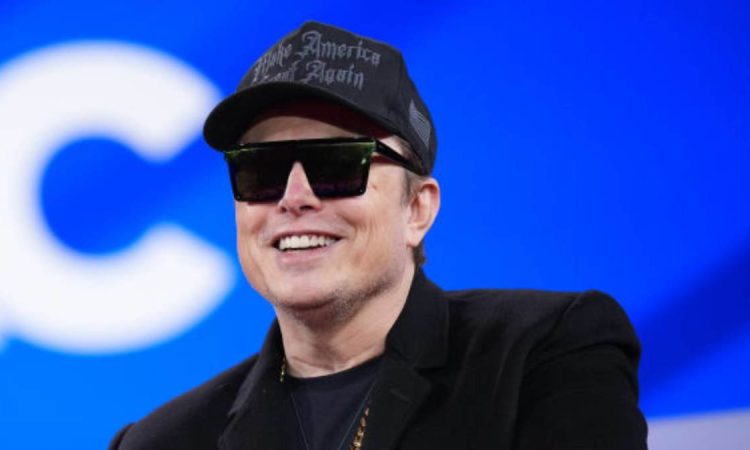
Elon Musk is not exactly one to back down from a fight, and now his fight is not with a car company competitor or a government agency — but with Apple. The Tesla and SpaceX boss has slapped the tech giant with a suit that claims it showed OpenAI’s ChatGPT an “outsized amount of love” on iPhones, iPads, and Macs.
Already, the case — filed earlier this week in a California court — looks like a headliner. More fundamentally, Musk is arguing that Apple has overstepped the bounds by establishing ChatGPT as the default go-to AI on its devices, effectively leaving no place for alternatives.
Musk’s Side of the Story
Musk’s lawyers didn’t mince words in the court filing: Apple, they argue, has skewed the playing field in OpenAI’s direction.
- Apple’s choice to incorporate ChatGPT into Siri and other apps is framed as more than convenience.
- According to the complaint, it’s a move designed to prevent competing companies from entering the space.
Musk himself was blunt:
“Apple has given the future of AI to a monopoly…which is st*pid. That’s not innovation. That’s favoritism.”
His frustration is personal too. Musk was involved in the founding of OpenAI years ago but left after a messy disagreement over strategy. Since then, he’s been building his own company, xAI, with ambitions of competing against ChatGPT and Google’s Gemini. Apple’s adoption of ChatGPT, in his mind, complicates that fight considerably.
Apple’s Cozy ChatGPT Partnership
Apple has not yet responded to the lawsuit. However, the company has been transparent about why it chose to partner with OpenAI.
- Earlier this year, CEO Tim Cook announced new features powered by ChatGPT, saying they would make Apple devices smarter and more helpful.
- Today, if you ask Siri a tough question, it often taps ChatGPT quietly in the background.
- Apps such as Notes and Mail can also use ChatGPT to generate summaries or draft recommendations.
The rollout has been praised for being slick and seamless — and according to Musk, that’s exactly the problem.
Experts Split on the Case
Legal analysts are divided about whether Musk has a strong argument.
- On one hand, Apple has previously faced accusations of excluding competitors in its “walled garden” ecosystem.
- Antitrust lawyers note that this case is reminiscent of the Microsoft Internet Explorer controversy in the 1990s.
But courts often look for consumer harm as a test.
“If ChatGPT makes Apple devices better, and people like it, Musk is going to have a tough time demonstrating that consumers are being harmed,”
— David Chen, antitrust attorney, San Francisco
Public Reaction
Reactions online have been predictably noisy — and divided.
- Supporters of Musk argue he’s right to call out Apple for ceding too much control to a single AI.
- “Today it’s Siri and ChatGPT. Tomorrow one company can own all the data we see,” one supporter posted.
- Critics, meanwhile, dismiss the lawsuit as Musk being combative and self-interested.
- “If xAI was as good as ChatGPT, Apple would be knocking on his door instead,” one critic wrote.
Why This Matters
For the average iPhone user, the lawsuit may feel like background noise. But the stakes are larger than a corporate feud.
- If Musk wins: Apple could be forced to open its devices to a range of AI assistants, giving users more choice. This could foster AI diversity — but also risk a fragmented user experience.
- If Apple wins: It could set a precedent where exclusive AI partnerships become the norm, allowing a handful of large companies to dominate the space.
What’s Next
The lawsuit is still at an early stage, and Apple is expected to seek dismissal.
- If the case goes to trial, it could drag on for years.
- In the meantime, Apple is rolling out more ChatGPT-enabled updates.
- Musk’s xAI is teasing a new AI chatbot that he claims will be “far more advanced” than current options.
Whether this turns into a long courtroom saga or fizzles out quickly, one thing is certain: Musk isn’t about to let Apple — and by extension, OpenAI — decide the future of AI without a fight.








