
5 Questions Your Developers Should Be Asking About MCP (Modern Cloud Platforms)
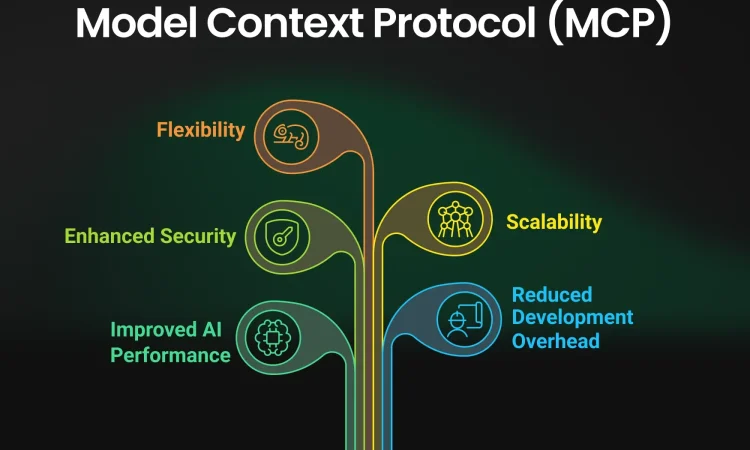
In today’s ever-evolving world of cloud computing, a Modern Cloud Platform (MCP) is quickly becoming a lynchpin for digital transformation across all sectors. Competitive, scalable, and secure — that’s what organizations striving to stay relevant in today’s fast-moving market are seeking when they turn to an MCP.
But with this shift comes complexity — and that’s where your development team becomes essential.
Developers need to ask the right questions to guarantee successful assimilation and utilization of MCPs. These questions help uncover risks, identify efficiencies, and leverage the platform’s features to support business goals.
Below are five crucial questions your developers should be asking about MCPs:
1. What Cloud Architecture Does the MCP Support, and How Does It Meet Our Requirements?
The first key question is structural. MCPs support various deployment models:
- Public cloud (e.g. AWS, Azure, GCP): Scalable and cost-effective, but may raise compliance or data sovereignty concerns.
- Private cloud: Offers more control and security, but can be costly to operate.
- Hybrid and multi-cloud: Provide flexibility and resilience, but require sophisticated orchestration.
Developers should consider:
- Are our applications cloud-native and containerized, or are they legacy systems requiring replatforming?
- Does the MCP architecture align with our workloads, regulatory requirements, and existing infrastructure?
Understanding the MCP’s architecture prevents misalignment and avoids expensive rework downstream.
2. How Does the MCP Handle Security, Compliance, and Identity Management?
There’s no room for error in today’s security landscape. MCPs often come bundled with:
- Encryption tools
- Access controls
- Monitoring systems
- Network security frameworks
These tools are only effective if compatible with your organization’s security policies and regulatory mandates.
Key questions developers should ask:
- Is the MCP compliant with Zero Trust Architecture?
- What Identity and Access Management (IAM) frameworks are supported?
- Can we implement Role-Based Access Control (RBAC) effectively?
- Does the service offer end-to-end encryption (for data at rest and in transit)?
In regulated sectors like healthcare or finance, compliance is non-negotiable. Developers should verify:
- Availability of certifications like GDPR, HIPAA, ISO 27001
- Support for audit logging
- Integration with existing Single Sign-On (SSO) and identity federation systems
3. Which DevOps Tools and CI/CD Pipelines Are Available?
MCPs are tools — their power lies in their ability to streamline workflows from development to deployment.
Developers should evaluate:
- Does the platform support tools like Jenkins, GitLab, GitHub Actions, Argo CD, or Terraform?
- Is there built-in support for Infrastructure as Code (IaC)?
- Does it include a managed Kubernetes solution or robust container orchestration?
A capable MCP should simplify:
- Building
- Testing
- Deploying
- Scaling applications using a unified CI/CD pipeline
Equally important, these tools must be secure, version-controlled, and auditable.
4. Can the Platform Scale and Handle Our Workloads?
At its core, a cloud platform must offer scalability and reliability. Developers must assess how well the MCP handles:
- Traffic spikes
- Downtime
- Disaster recovery scenarios
Technical areas to explore:
- Does it support auto-scaling for applications, databases, and storage?
- What are the platform’s Uptime and Availability SLAs?
- How does disaster recovery and geo-redundancy function?
- Can we implement load balancing and global Content Delivery Networks (CDNs)?
For mission-critical workloads, even minimal downtime can be costly. Developers should confirm the presence of:
- High availability configurations
- Backups
- Failover mechanisms
— all essential for business continuity.
5. What Is the Total Cost of Ownership (TCO), and How Can We Optimize Costs?
One persistent myth about the cloud is that it always saves money. While MCPs can reduce infrastructure costs, poor management can result in uncontrolled spending.
Key cost-related questions developers must ask with architects and finance teams:
- What are the pricing models (e.g. pay-as-you-go, reserved instances, spot pricing)?
- Are there cost optimization tools like:
- Automatic shutdown of idle resources
- Budget alerts
- Rightsizing recommendations
- Can we tag usage for cost attribution and internal chargebacks?
TCO includes more than just subscription fees — it must also factor in:
- Data egress charges
- Third-party service integrations
- Support plans
Using platforms like CloudWatch, Azure Monitor, or Google Cloud Operations Suite can help developers monitor and optimize cloud spend in real-time.
Final Thoughts
Modern Cloud Platforms are powerful enablers, but they are not one-size-fits-all. Success with MCPs hinges on informed decisions at every phase — from design through deployment.
By encouraging your developers to ask these five fundamental questions, your organization can:
- Reduce risk
- Boost efficiency
- Align technology with business strategy
Adopting a proactive and strategic approach to platform evaluation can help avoid the pitfalls of cloud transformation and establish a future-ready foundation.
Your developers are the front line in this journey. Arm them with smart questions — and you empower them to build smarter, safer, and more scalable systems in the cloud.








