
Crunchyroll Under Fire for Abysmal ChatGPT-Generated Subtitles in New Anime Programme
Introduction
One of the world’s top anime streaming platforms, Crunchyroll is catching flak this week for releasing its new anime series with what viewers are calling “embarrassingly bad” subtitles—reportedly machine-generated using ChatGPT.
The incident has sparked a heated argument over the use of artificial intelligence in creative localization and raised serious questions about the company’s dedication to quality.
The Rollout That Went Wrong
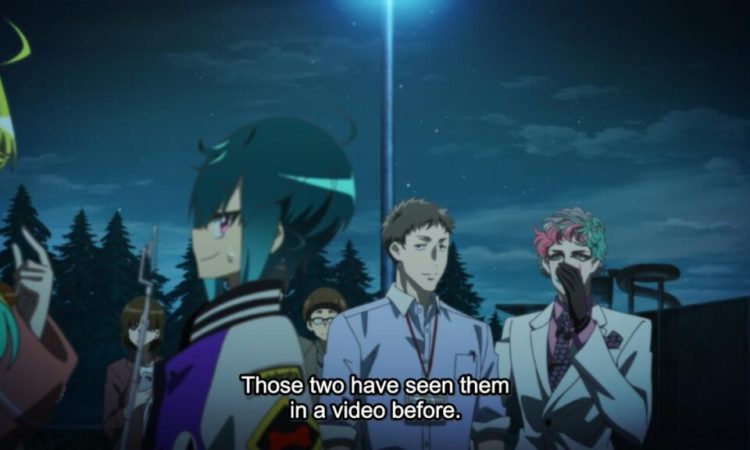
The controversy began with the release of Zettai Requiem: Eureka Seven 2025, a highly anticipated Crunchyroll-exclusive summer anime. Within hours of its debut, social media was flooded with:
- Screenshots and clips of absurd subtitle lines
- Viewers expressing disbelief at the bizarre translations
Examples included:
- “I will broccoli your destiny”
- “My heart is a rubber duck in the storm”
These strange subtitles quickly turned into viral memes. Fans speculated that the translations were the result of poorly implemented machine translation, most likely powered by generative AI tools like ChatGPT. The backlash was swift and widespread.
Confirmation and Backlash
Crunchyroll initially remained silent but eventually issued a statement confirming the use of an:
“Experimental AI-assisted workflow”
“We’re constantly researching new technologies and ideas that can help us to be more efficient, but we recognize that the quality of subtitles for this title fell short of our standards and those of our community.”
However, this admission did little to calm the storm.
- Fans and professional translators accused Crunchyroll of cutting corners.
- Hashtags like #CrunchyrollFail and #SubtitlesMatter trended.
- Many users openly threatened to cancel their subscriptions.
“I’m a 20-year anime fan, and watching these AI subs was like deciphering a riddle every minute. It’s not just translation—it’s storytelling, emotion, and respect for the original content.”
— Jenna Morales, Viewer from California
AI in the Industry: The Good, The Bad, and The Ugly
The controversy has ignited a broader debate about AI’s role in the creative industry.
While tools like ChatGPT have received praise for generating human-like text, experts caution that even the most advanced models lack contextual awareness and cultural nuance, especially when it comes to media like anime.
“AI can be a tool for draft translation or speeding up processes, but it’s far from replacing human translators—especially in a medium as nuanced as anime.”
— Dr. Emi Takahashi, Professor of Japanese Linguistics, UCLA
Challenges with AI Translation in Anime:
- Subtle metaphors
- Character dynamics
- Honorifics and cultural references
- Wordplay and humor
Some insiders believe this was a test to measure viewer tolerance or an attempt to accelerate content rollout during a packed summer release window.
Others saw it as a poorly executed effort to capitalize on AI hype—without investing in proper quality assurance (QA).
Tarnishing the Brand
Crunchyroll has long positioned itself as a gateway to authentic anime experiences. By appearing to value automation over artistry, the company risks alienating its most loyal and discerning fans.
The consequences have rippled beyond social media:
- The American Translators Association released a critical statement: “Automated translation tools must be used with caution and never as a total replacement for human expertise, especially in media consumed by millions.”
- Independent studios and licensors are reconsidering partnerships: “We’re not interested in our stories becoming memes for the wrong reasons.”
— Japanese producer (anonymous)
A Lesson in Execution, Not Innovation
There is a growing consensus that AI isn’t the enemy—poor execution is.
AI-powered translations can be valuable when overseen by skilled professionals. But relying solely on automation for public content, especially in narrative media, is a recipe for disaster.
“Think of AI as a co-pilot, not the captain. It can assist, but it should never fly solo.”
— Kaito Yamada, Localization Consultant, Tokyo
Crunchyroll has since:
- Apologized
- Promised to replace the AI-generated subtitles with professional translations
- Pledged to re-evaluate its localization practices moving forward
Despite this, many fans remain skeptical.
What This Means for the Future of Anime Streaming
This incident is more than just an embarrassing error—it’s a wake-up call for the streaming industry.
As AI tools become more integrated into creative workflows, companies must ask themselves:
- Where is the line between efficiency and authenticity?
- How can we ensure automation doesn’t diminish user experience?
For Crunchyroll, the road ahead will require:
- Transparency
- Recommitment to quality
- Clear boundaries between experimentation and execution
Final Thoughts
The Zettai Requiem debacle may soon fade from the headlines, but its lessons are long-lasting.
Crunchyroll’s decision to use AI-generated subtitles without sufficient oversight has raised serious doubts about its respect for cultural storytelling. While the potential of AI in creative industries is real, so too are the risks of using it irresponsibly.
In a genre built on emotion, nuance, and human creativity, there is no substitute for the human touch.
For now, fans can only hope their voices were heard—and that their favorite shows never get lost in translation again.








